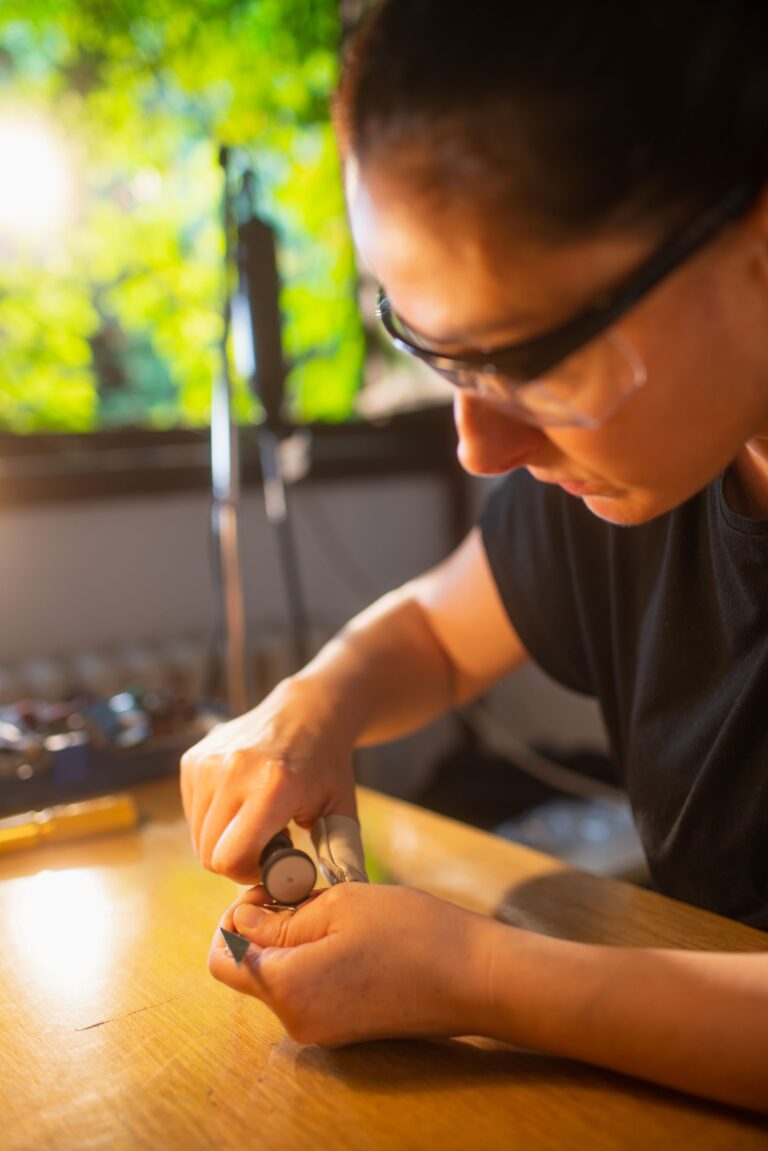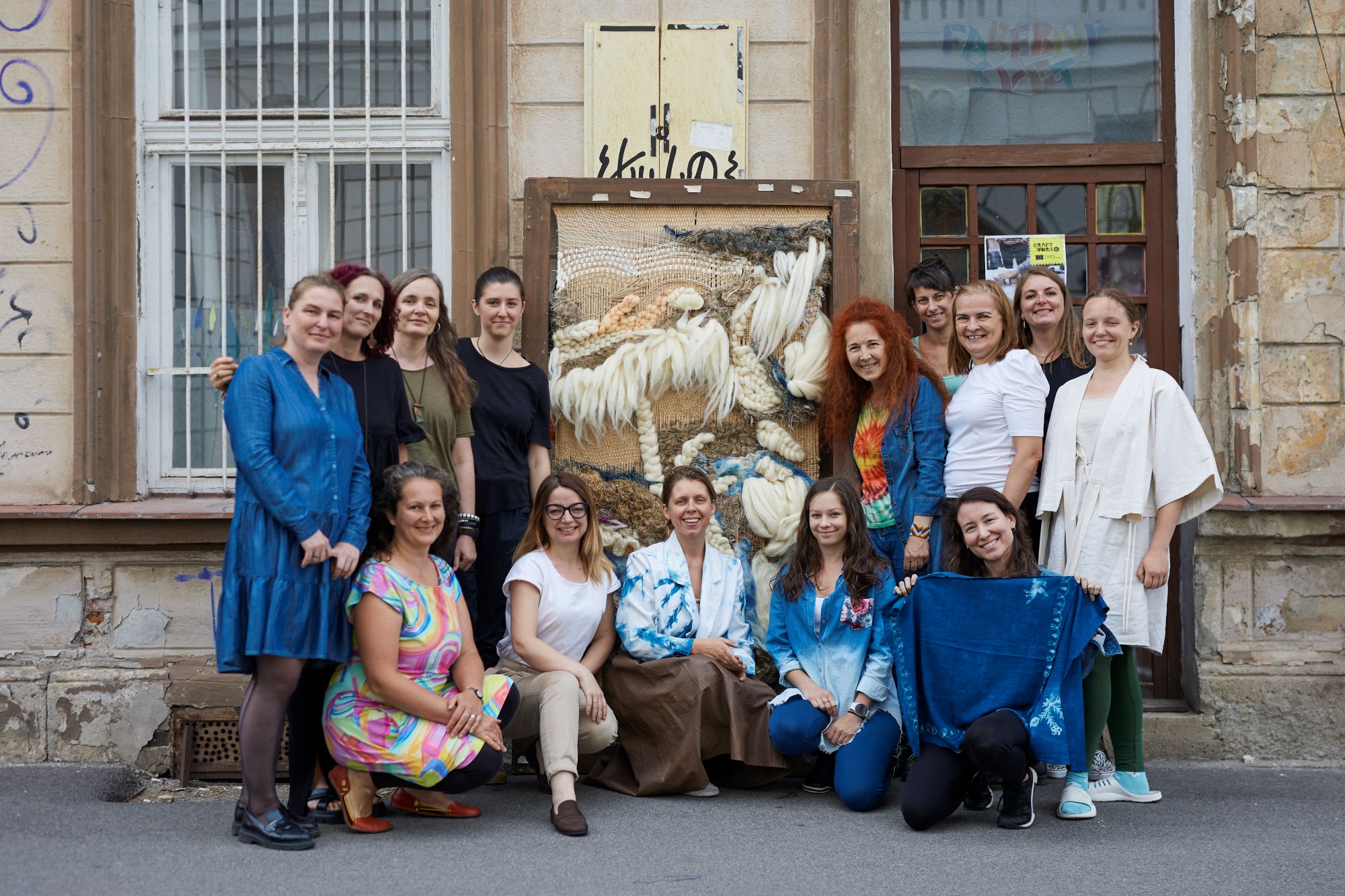
Here in Creative Industry Košice, we decided to delve deeper in the phenomenon of crafts in Eastern Slovak region thanks to participating in an exciting new project, CraftWork 4 All 2.0. As an organisation, we have been dealing with different kinds of human activity on the crossroads of art, technology, design and innovation, but never specifically with craft. Is there any specific definition or definitions of crafts and craftspeople that sets the tone of the wider debate on creativity, education and entrepreneurship? Who are „our“ craftspeople, what do they need, and are these needs being met? These were the preliminary questions that were guiding our exploration of crafts, that lead us to conduct interviews with many craftspeople, cultural organisers, teachers and state officials.
What is this craft, then?
Without using any encyclopedic definition, we first let our interviewees help us understand what craft is. The creators themselves often talked about a certain „urge to create“ they feel, some spoke about „fascination by the materials“ of „the language of the material“ that speaks to them. Others were emphasising ecological and sustainability aspects of craft: „sheep being the ultimate craft animal, as every part of it can be used for something useful, plus it only needs local food and shelter. Historical continuity and certain humbleness when looking at the legacy of crafts and „feeling angry“ that people, especially from the cities, see no value in doing things „the old way“. With the help by craft and design theoreticians that we spoke to, we understand craft as a creative human activity that connects aesthetic value with functionality, is mindful of the used material and technologies, and this activity also has a certain philosophical background that emphasises the value of the old and local. If it is not to stay as an interesting pastime, the business side of this activity should also not be neglected. Craft can have different forms, it seems, depending on which of these components are primary.
ÚĽUV as the historical keeper of high artistic quality folk craft
Slovakia had quite a specific relationship with its folk crafts (ľudové remeslo) since the end of WWII, thanks to a very important entity that still exists today: ÚĽUV – Centre of Folk Artistic Works. This organisation was set up by the Czechoslovak state in 1945, meaning it is celebrating its 80 years of existence in 2025. According to an interview with one of the employees, it was set up to help bring employment in the war-depleted regions, and later, within socialist doctrine, to bring the national folk form in arts and design to the masses, but with high artistic value. Since the very beginning, the idea was that the specific skill and aesthetic feeling of a folk craft can be connected with „a trained artistic eye“, ” which would prevent kitsch pieces from emerging.[1] So the value of the old ways, but also aesthetic artistic value, are prominent in the definition of craft that ÚĽUV seems to be using. They still emphasised using natural and „traditional“ materials.[2]
The use of ethnological/ethnographic methods and collaboration with other archives, even today, still offers the possibility of a deep dive into the ways craft was part of everyday life in historically mostly rural Slovakia. ÚĽUV has long worked as an academic and publication body giving space to historical and ethnographic views on crafts. Apart from that, they have been a strong catalyst for collaboration of trained artists with folk craftsmen, that lead to many objects that „were seen as folk, but were in reality work of skilled artists and designers collaborating with craft masters“. This golden era brought plenty of almost cult objects into Czechoslovak households, many towns had their own ÚĽUV shops and gifts from ÚĽUV were seen as „a staple of good taste and continuity of craft and design“.
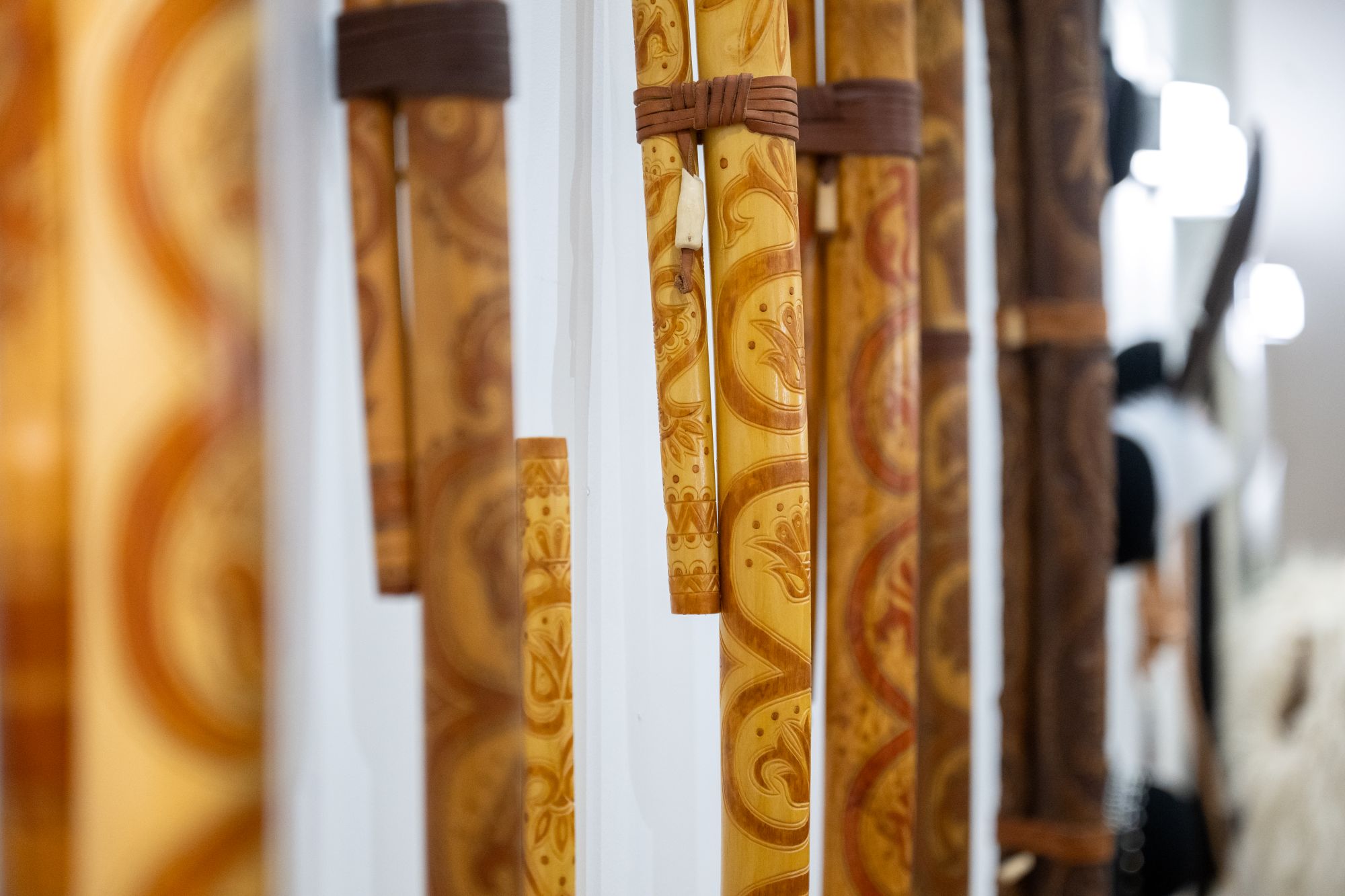
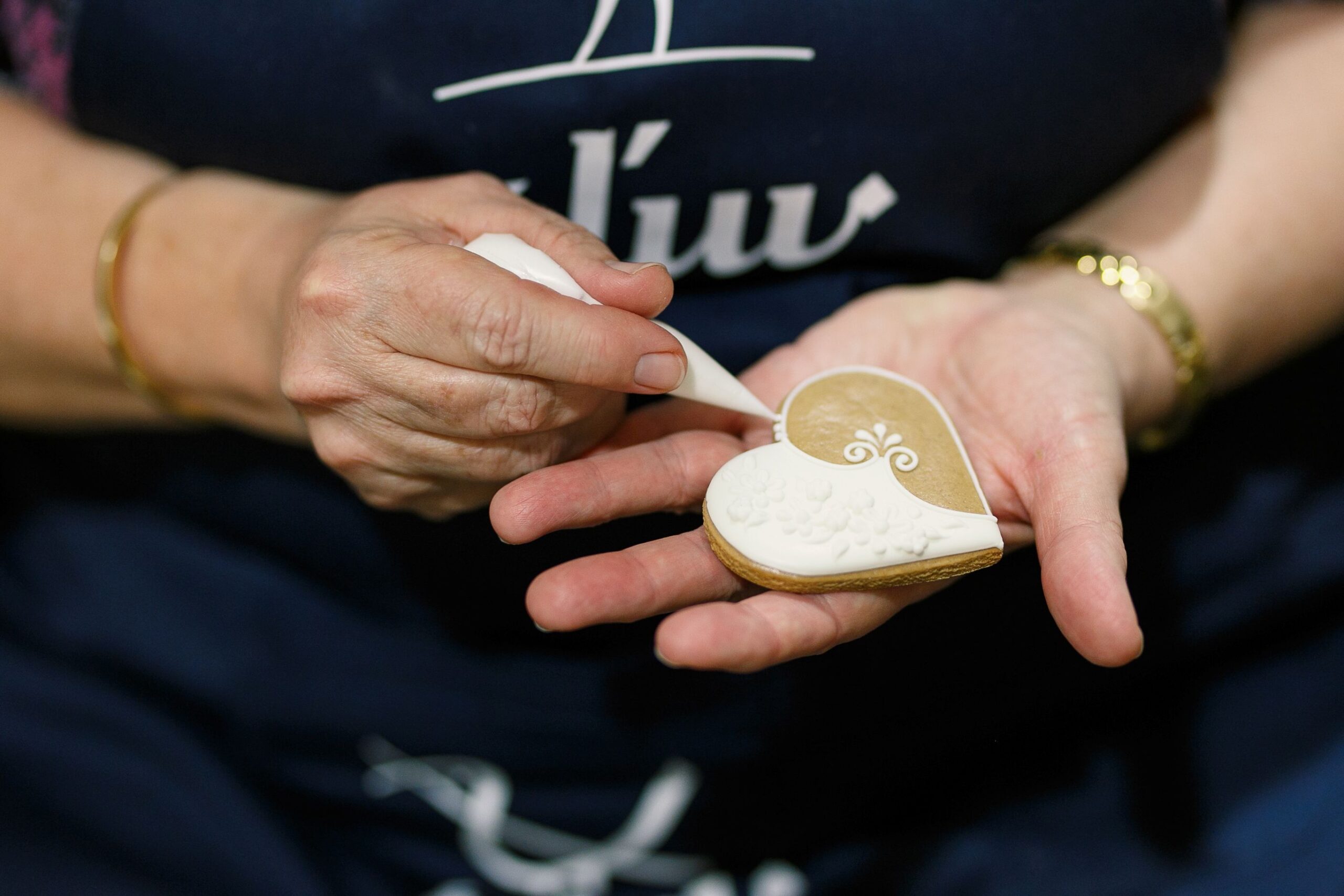
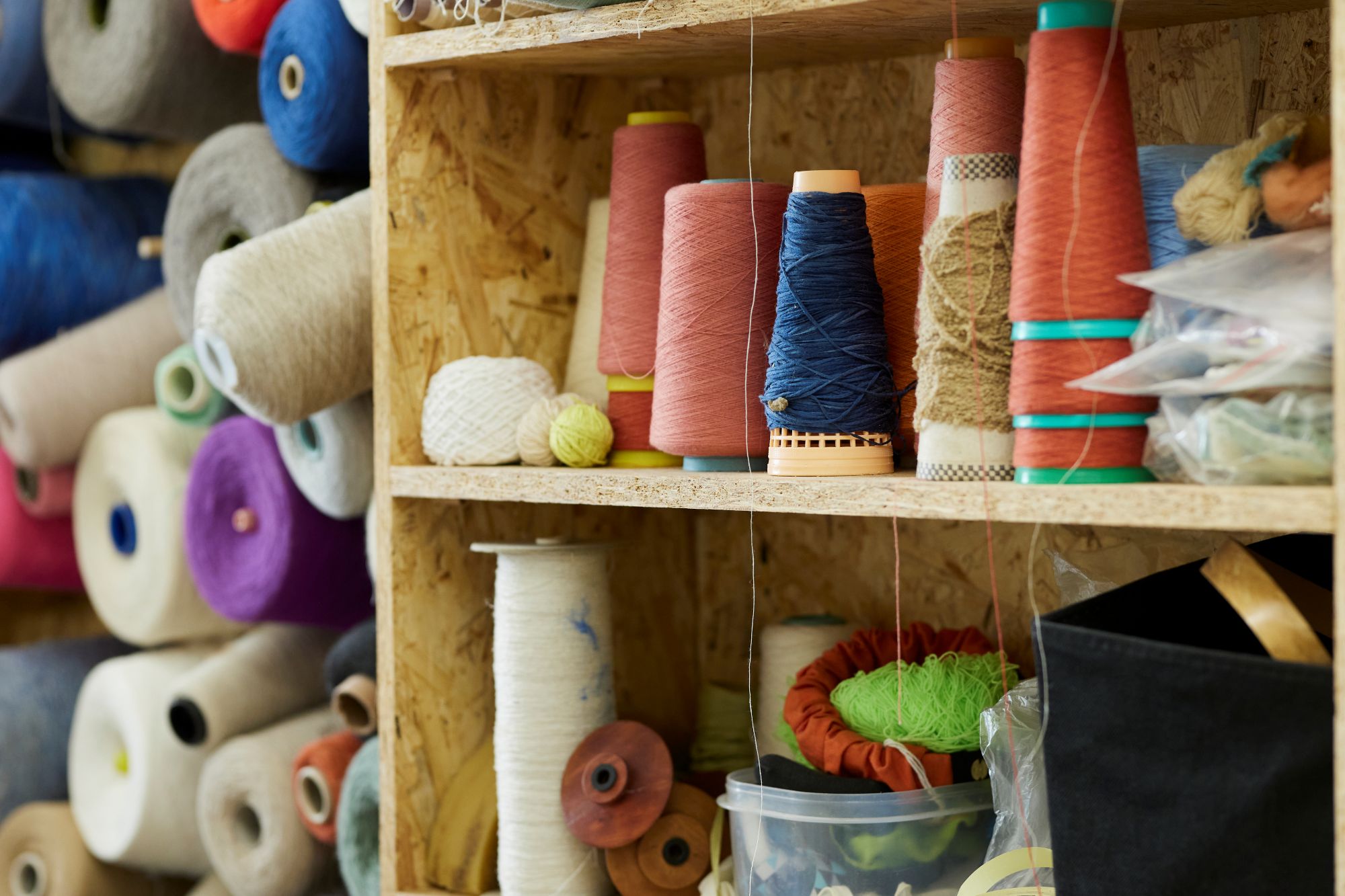
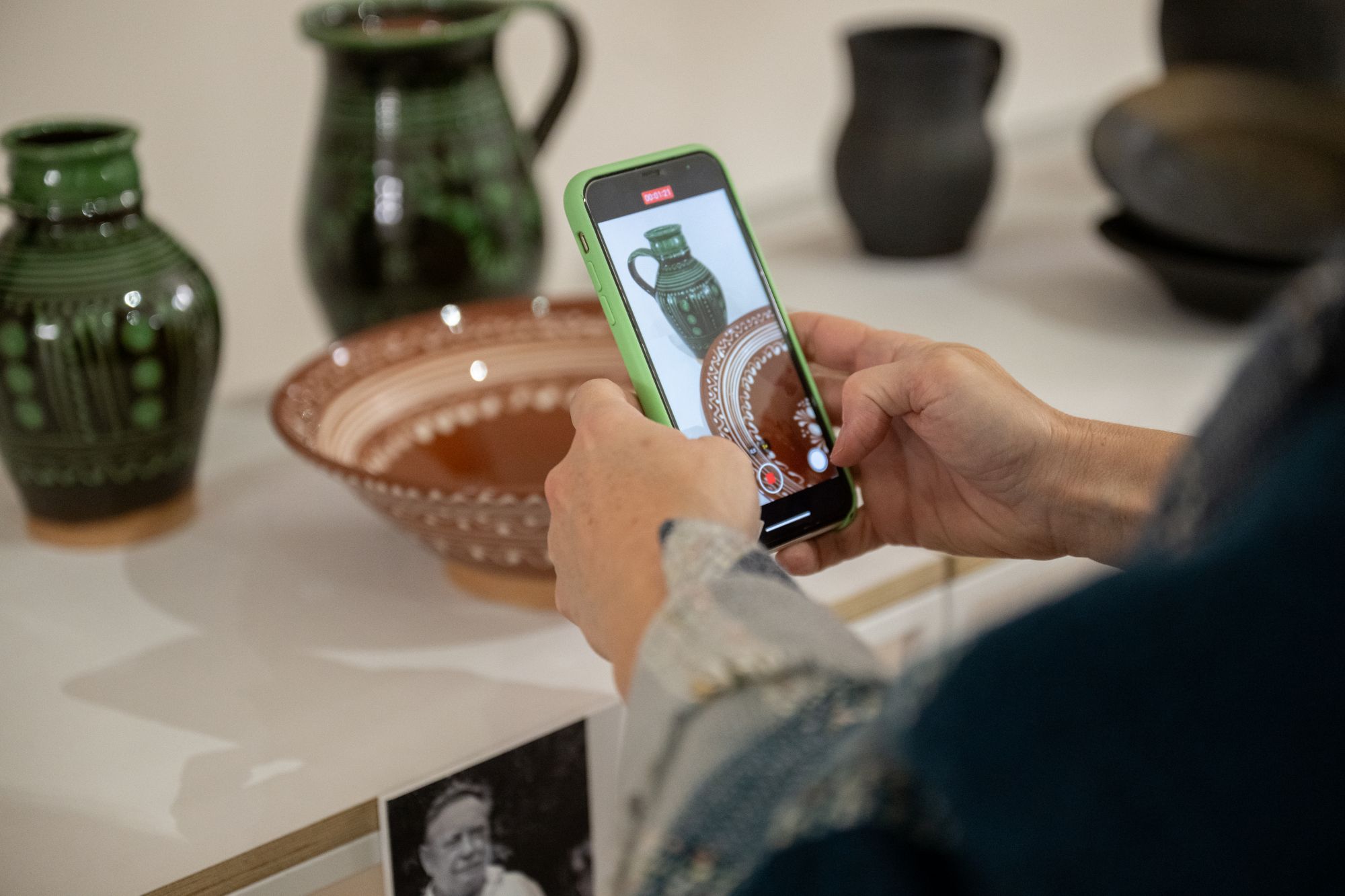
Today, ÚĽUV’s activities are seen as much less of a state priority, meaning that there is only a few shops left around Slovakia. In Eastern Slovakia, there are only two left (Košice and a tourist destination in the Tatra mountains). The model that works now is that ÚĽUV keeps crafts alive by state financing, but mostly by offering courses – both Košice and Bratislava ÚĽUV centres offer a variety of courses, ceramics being by far the most popular one. Apart from this, they still work as hubs for offering exchanging knowledge on the subject and have their own study rooms, organise exhibitions, publish magazines, and collaborate with schools. This prestige of almost a century old professional organisation is something that „their“ craftspeople can profit from: as ÚĽUV was often contacted by different people and organisations to offer contacts for certain types of craftspeople, they have decided to make a public online database of professionals, who nowadays get there mostly after being found „in the field“ (craft markets, folk culture festivals etc.). When these people wish to sell their product in ÚĽUV shops or under the ÚĽUV brand, they need to show their products to a committee comprising of visual artists, ethnographers and skilled craftspeople, to make sure the spirit of high-quality folk craft is still present. There is also a title „master of folk craft“ that is granted by ÚĽUV and the Ministry of culture, however this still does not automatically guarantee fame and fortune in the world of crafts in Slovakia.
Back in 2000, ÚĽUV also started a biannual competition, Kruhy na vode (Circles on the water) for artists, craftsmen and designers who try to innovate the field – this competition is held in high esteem by many different professional actors and bodies we had a chance to interview, and it also has a category for high school students. Otvorený ateliér (Open studio) is a platform for art/craft/design collaboration, that fosters even more innovation, and as the products that come out of this kind of collaboration are „visibly different, they had to be marked as Open studio products in the shops, because they seemed a bit „off to the customers“.
However, the collaboration of craftspeople and artists comes and goes in certain waves. People who have worked in ÚĽUV feel that it always depends on the current leadership of the organisation: some directors push more in the direction of modern approaches to design and intensive collaboration, some delve more into the historical forms and don’t try to push formal innovation.
RINK – Craft Incubator in Košice region
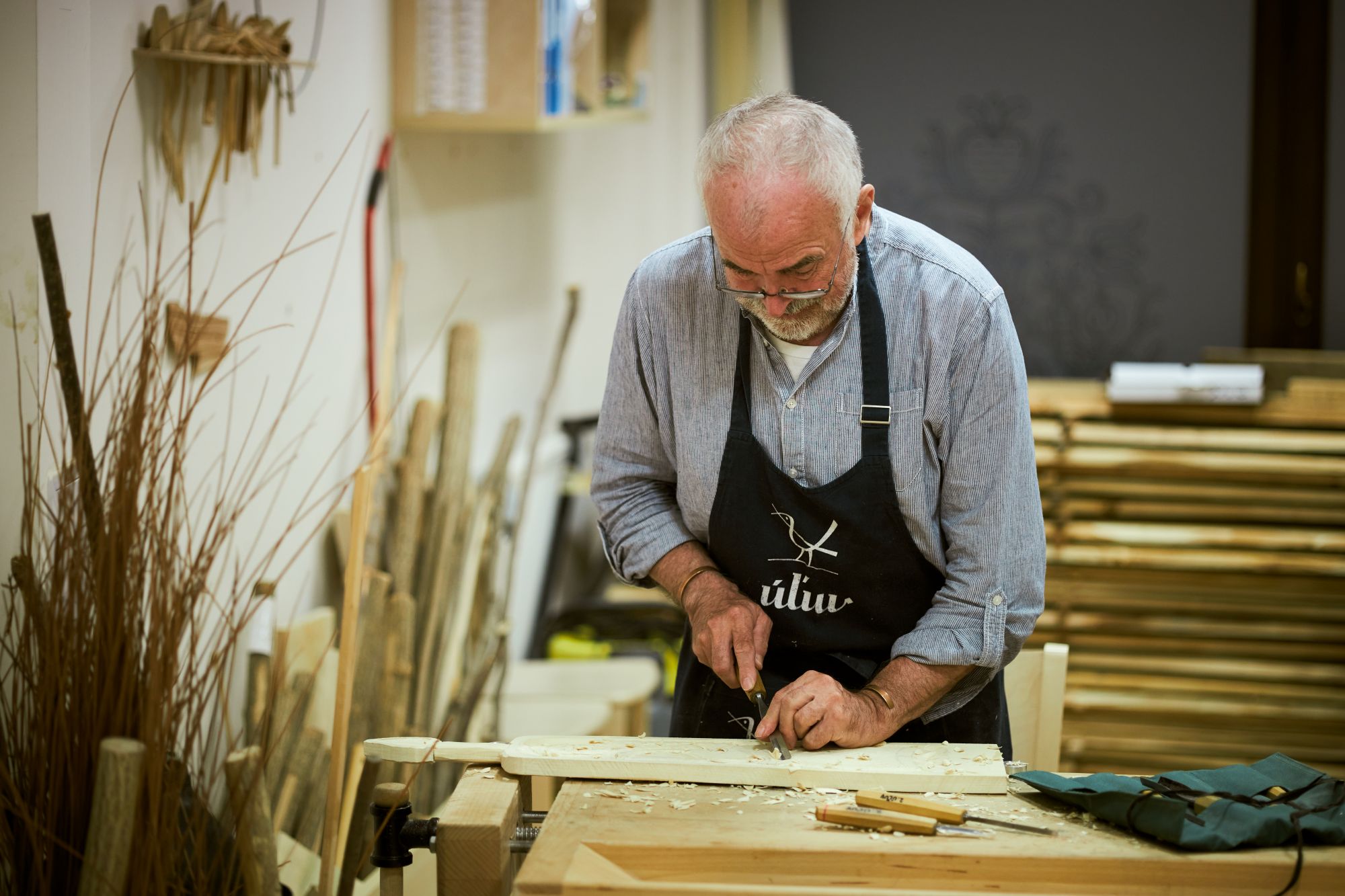
Alongside ÚĽUV, RINK (Remeselný inkubátor – Craft incubator) is another body that is known to support craftspeople in the region. It is also set up by a government body, not the Ministry of culture but the Košice self-governing region, as part of a regional development program for crafts established in 2019.
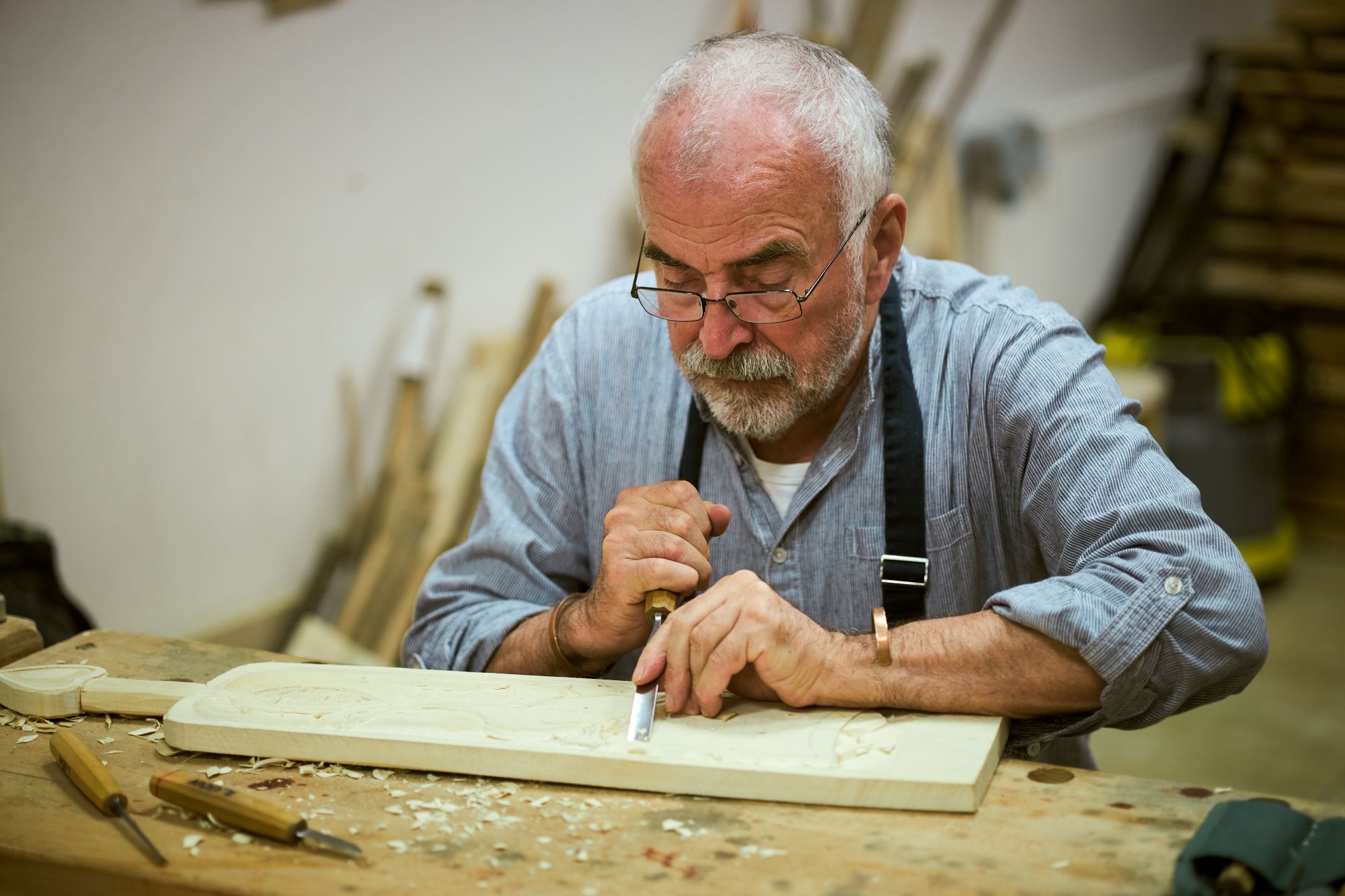
There are similarities, but also differences in their modus operandi; they even collaborated in educating employees of different branches of regional educational centres that are closely connected to RINK. RINK has also set up a database of craftspeople that is accessible to the public, that comprised almost 500 craftspeople. Thanks to their database, we know that the three most popular crafts in the Košice region are woodcarving, lace-making and pottery, followed by Easter egg painting, weaving and blacksmithing. At the other side of the table, those that are endangered (less than 3 people registered) are blueprinting, production from corn husk and production from horn and bone.
RINK has its own label of quality. Interestingly, in ÚĽUV, the highest rank is for the craftsperson themselves (the Master title), RINK offers a label to the product (Regional product/Traditional product of Košice region). This is a slight difference, but tells about the orientation towards supporting the business side of craft, even though both organisations have their own similar quality assessment processes that comprise other masters and ethnographers.
Probably the biggest difference in philosophy is that RINK at the moment does not have that much emphasis on the art/design component of craft it tries to support, which is due to its different historical path. Interestingly, RINK would like to move to the path of working more on the design/art side of craft, but they feel they are not connected to enough experts in the artistic field. This connection of different kinds of craftspeople (those who are more skilled in design and art/historical techniques/business and marketing) or offering craftspeople consultations or collaborations with experts in other fields seems like a potential positive outcome of the Craftwork 4.0 All project.


Connections, education, space
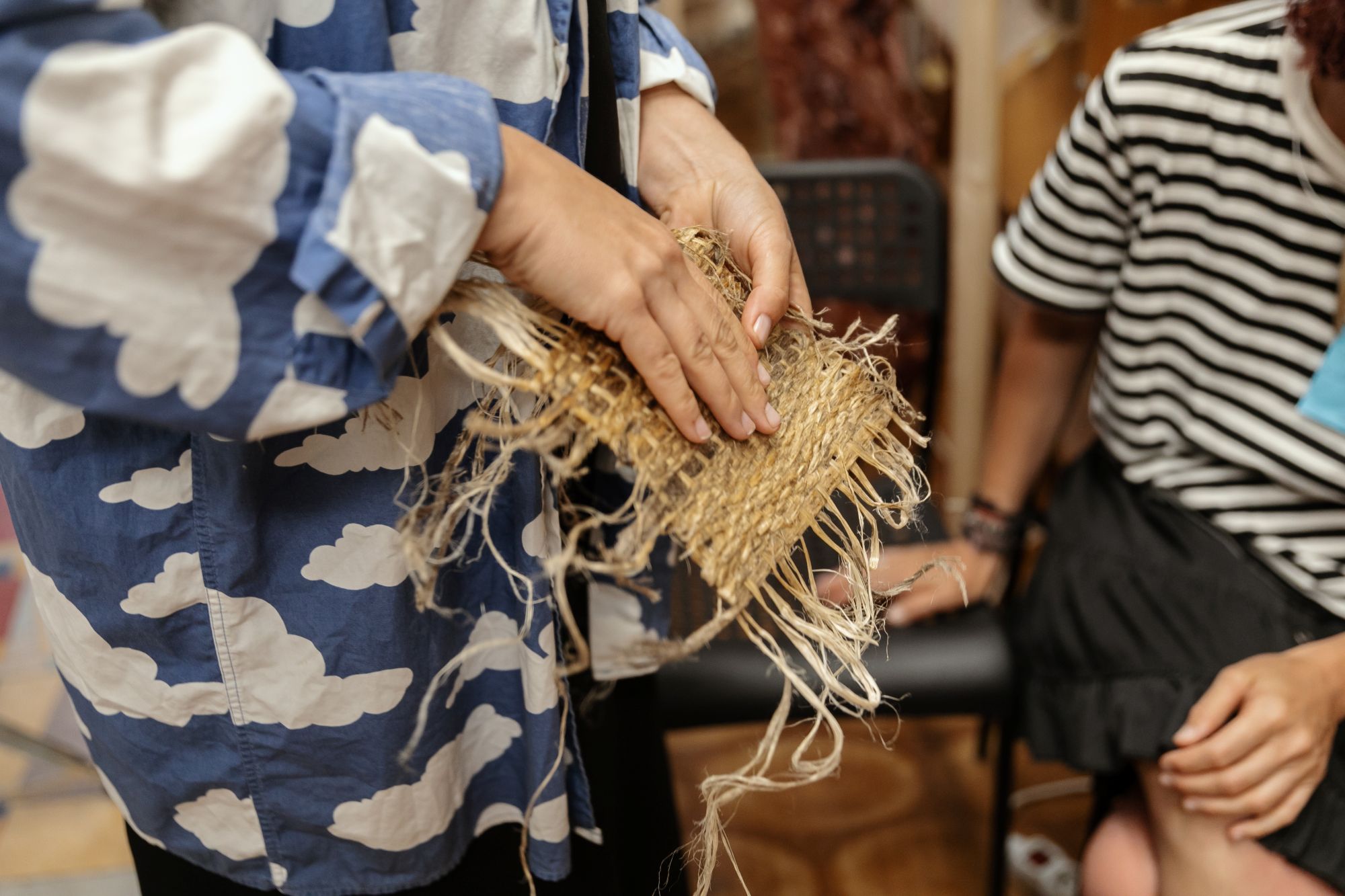
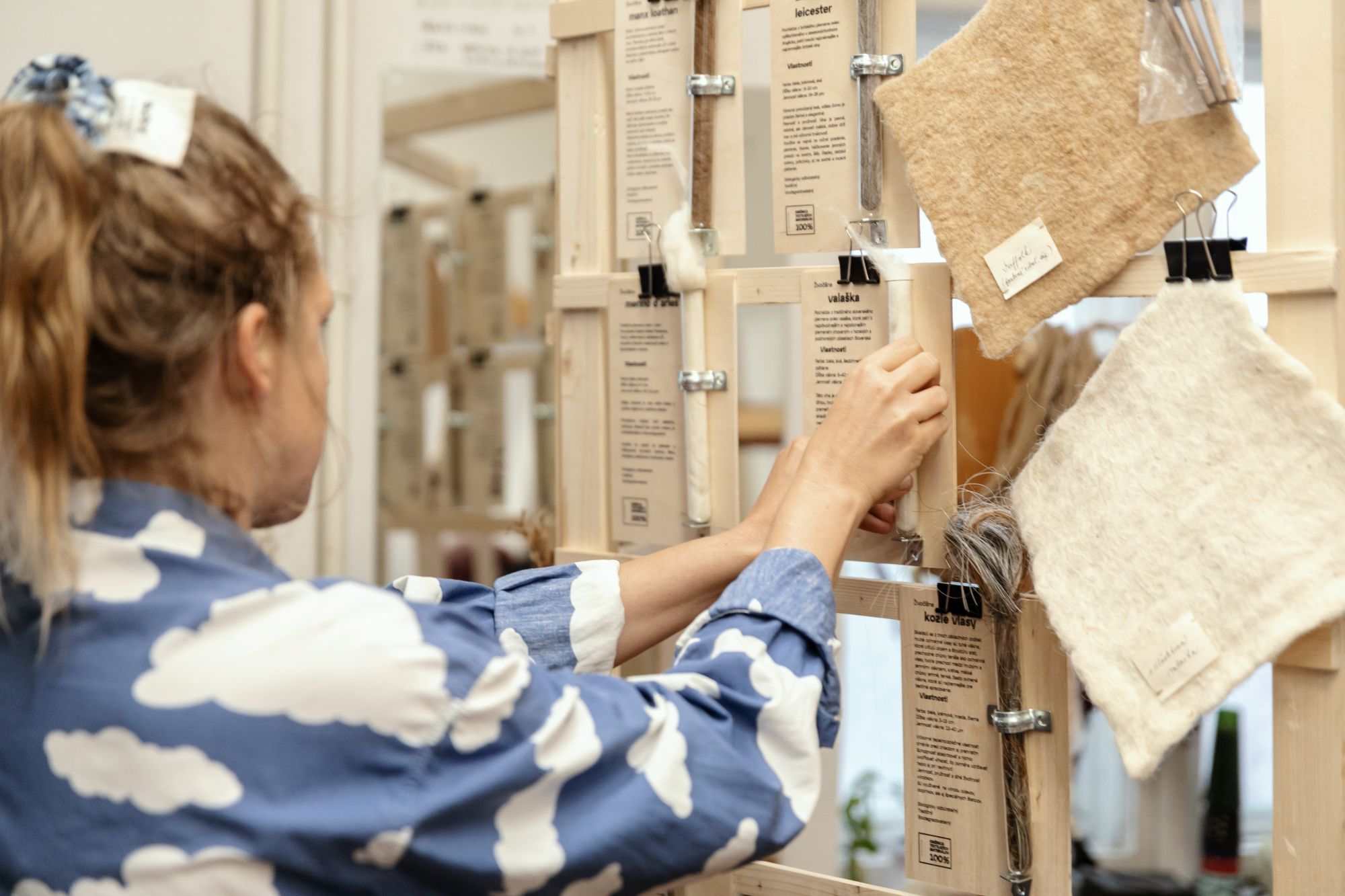
ÚĽUV has several professional consultants, who help with the questions of authenticity, design and technology, but are oftentimes contacted with very practical matters related to their small-scale business: taxes, different permissions and rules. Interestingly, ÚĽUV was not formally prepared for these free market demands; their professional art and craft consultants were learning how to advise on these matters on the go. Both ÚĽUV and RINK have offered their craftspersons different opportunities to educate themselves in business or marketing skills, but this was received with mixed feelings: many craftspeople „want to do craft and do not want to become entrepreneurs “.
In a workshop focusing on co-creating policies and models for supporting craftspeople, what seems to be a more viable model is a shared services hub where craftspeople could be served and not advised.
When it comes to other forms of support that bodies like ÚĽUV, RINK or any other, maybe not yet existing body would offer, craftspeople are struggling with space for studios and well-located shops in the central areas of bigger cities that would sell their products. ÚĽUV in Košice has moved further from the main street, and several craftspeople see it as a missed opportunity for better visibility of good-quality products.
When asked about how they would like to further develop their skills and ideas, many said they would love to get involved in collaborations with other craftspeople or artists, but just can not find the time for this kind of „free creation“.
These needs are partly being met by different activities and projects of craft support bodies in Slovakia, either in their day-to-day work, or within different international networks and projects they are involved in.
By conducting all these interviews and mapping the biggest support bodies that deal with craftspeople, we now understand better what small steps can be done in order to make sure that craftsmanship in Slovakia not only has a rich history, but also a future.
Written by Apolónia Pecka Sejková – CIKE
[1] A publication was released in 2025 to celebrate 80 years of ULUV’s existence, that talks about the histroy of this organisation within the context postwar Czechoslovakia and socialist era, ULUV 1945-1989. Craft with a Brand. https://uluv.sk/podujatia/uluv-1945-1989-remeslo-so-znackou/
[2] The emphasis on natural, traditional or at least recycled and this sustainable materials was present in understanding of crafts by many people we have interviewed.