 Artisans
 Leal Pereira
Experience Content
🔗 View Social Post🔗 View Social Post🔗 View Social Post
Location
Leal Pereira
Experience Content
🔗 View Social Post🔗 View Social Post🔗 View Social Post
Location
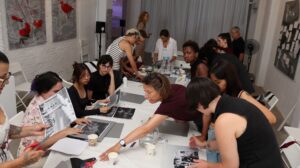
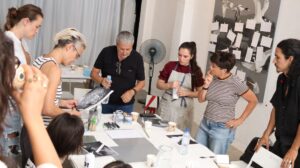
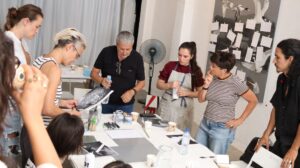
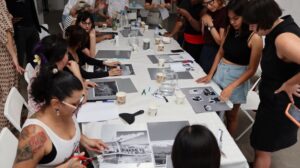
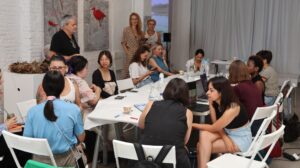
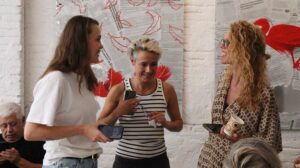
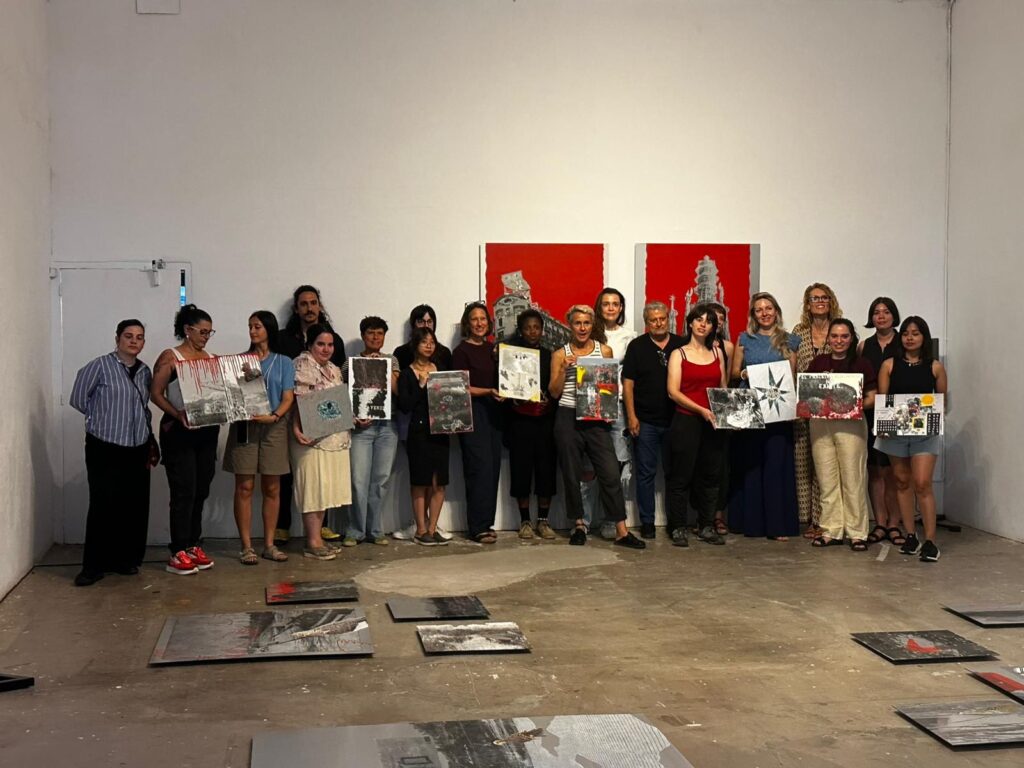
The workshop brought together 20 participants, including artists, artisans, and creative practitioners from Barcelona and the surrounding region. Participants included artists working with metal and material-based practices, as well as multidisciplinary creators whose work engages with themes of sustainability, ecology, environmental awareness, and social engagement.
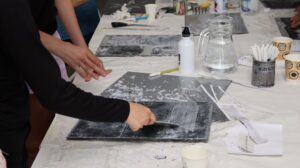
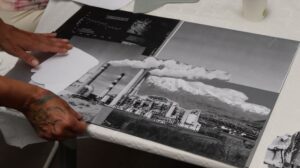
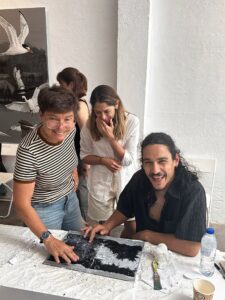
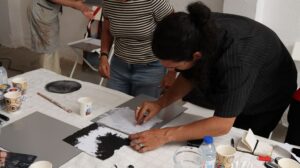
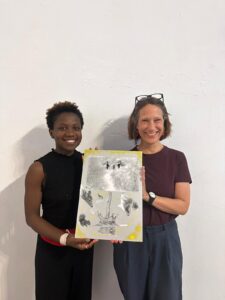
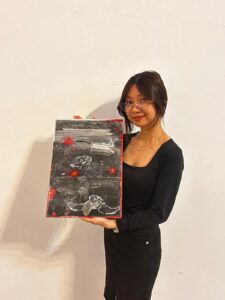
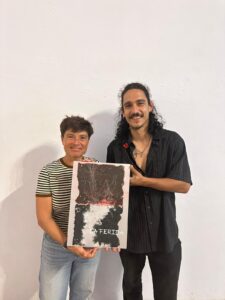
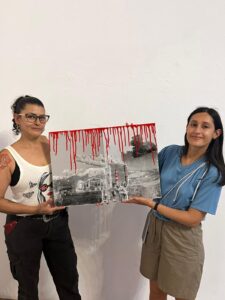
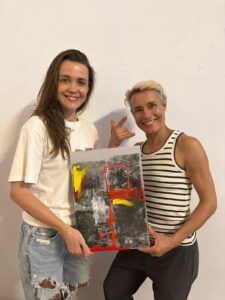
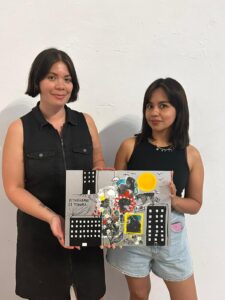
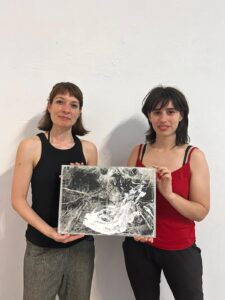
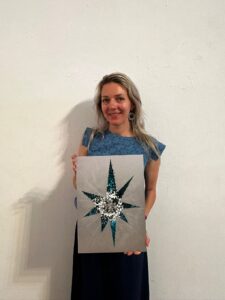
The workshop began with an introduction by del Valle, who presented the artistic and environmental framework of DESPLAZADOS II. The practical component focused on the transfer technique central to the artist’s practice. The day was divided in these phases: Collective Brainstorming and Concept Development Participants began with a collective brainstorming session centred on environmental and sustainability-related themes. Each participant wrote their chosen concept on a piece of paper, which was then attached directly onto reproductions of Guillermo del Valle’s artworks. This collective gesture transformed the artist’s imagery into a living map of ideas and concerns, creating an additional layer of dialogue. Research and Image Selection Based on shared interests and thematic affinities, participants formed pairs or small groups and entered a research phase, sourcing visual materials from online archives, personal photographs, and books. These diverse references became the foundation for the artworks and they were printed in an A4 paper B&W. Image Composition Participants then composed their images by combining different visual elements and engaging in collaborative discussions to create meaningful and coherent visual statements. Transfer onto Aluminium Once the compositions were finalised, the images were transferred onto aluminium surfaces using transfer medium, following the artistic methodology developed by del Valle. Drying and Image Revelation After an initial drying phase, participants carefully removed the paper using their hands, gently scratching the paper and with water. Artistic Intervention and Finishing The creative process concluded with interventions using acrylic paint and acrylic markers, enabling participants to enrich their pieces through colour, texture, and gesture. Collective Installation The nine final individual works were ultimately assembled into a collective installation, forming a shared artistic reflection on ecological fragility, displacement, and the interconnectedness of human and natural systems.
The workshop was conceived as an extension of DESPLAZADOS II, the exhibition by Guillermo del Valle presented within the framework of the New European Bauhaus Festival 2026, held from 8 to 12 June 2026 and organised by Espronceda – Institute of Art & Culture as part of its participation in the Creative Europe project Craftwork 4.0 ALL. Espronceda was the only cultural centre in Catalonia participating in the New European Bauhaus Festival 2026, Satellite Events. The thematic focus was developed around key issues explored in DESPLAZADOS II, including wetland degradation, species displacement, climate change, and the interdependence between human and natural systems. Particular attention was given to the symbolic and material role of aluminium, a medium central to the artist’s practice and conceptually linked to industrial infrastructures and environmental transformation. Participants were selected through an open call and curatorial process, prioritising artists and artisans working with metal, mixed-media practices, and sustainability-related themes. The final group consisted of 20 participants with diverse disciplinary backgrounds, fostering interdisciplinary exchange and collaborative learning. From a logistical perspective, Espronceda provided all materials and technical equipment required for the workshop, including Dibond Aluminum Sheets Transfer Medium Paste Titanlux Eco Water-based Enamel Acrylic Markers Water spray bottles Hairdryer Note cards Pushpins Corkboard Standard A4 Paper Workbenches/Large tables The workshop was designed to be accessible and inclusive, encouraging participation regardless of prior experience with transfer techniques. Collaborative methodologies and group work further promoted knowledge sharing and peer learning.