
Written by: Marija Djordjević and Ivan Manojlović
In our previous post, How Speculative Design is Reimagining the Future of Making, we followed five artisan duos through five months of online speculative design within the CraftWork4.0All project. Guided by mentor Sara Božanić from the Institute for Transmedia Design (Slovenia), they worked with emotional research and ATOM cards, and ended the online phase with production plans, budgets and sketches for objects that did not yet exist.
Between 21 September and 1 October 2026, craft pairs together with those detailed ideas and plans arrived in Belgrade. Hosted by Nova Iskra together with the Centre for the Promotion of Science, IMGGI, Manakova kuća (Ethnographic Museum), Matrijaršija, Polyhedra 3D and Rush Stuff, the live residency asked a simple question: what survives when a “what if” meets real material?
From Blueprint to Work Table
During the conceptual phase, anything is possible. Softness can be replaced by the durability needed for a shelter. Dense structures can become transparent, and decomposed materials can form entirely new bonds.
The workshop is less forgiving. Every maker eventually meets the same questions: what happens when existing tools or materials cannot deliver the novelty we imagined? And how do we respond when an idea cannot be materialised here and now, in the exact form or shade we envisioned?
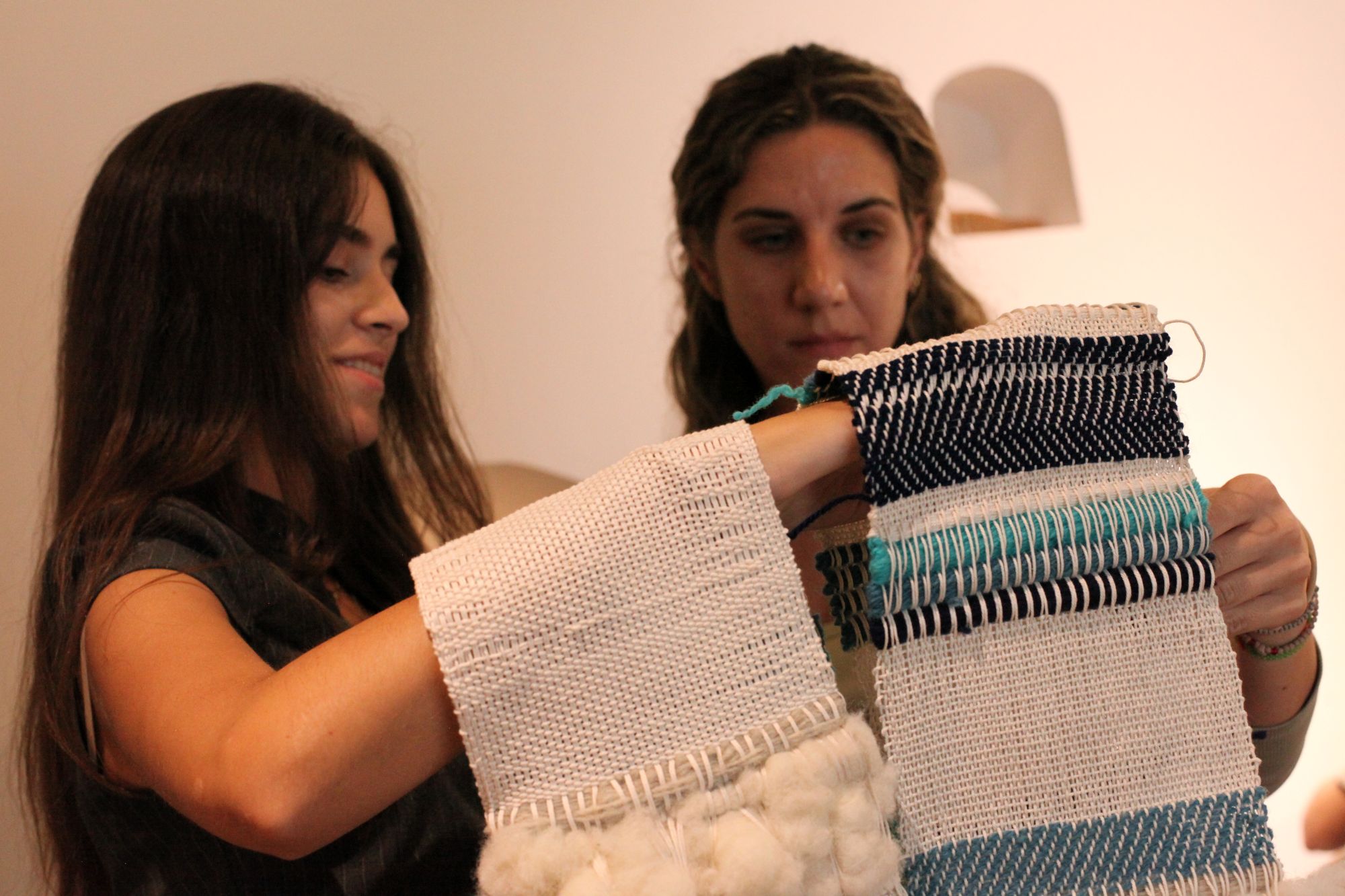
To work with these questions rather than around them, the duos were given a deliberately narrow brief: use only the materials you know and the techniques you master, but work with tools you are not fully adjusted to. On top of that came the conditions of any real residency: locally sourced materials that required immediate adaptation, and limited working hours that forced quick decisions. Limitation stopped being an obstacle and became the main design tool.
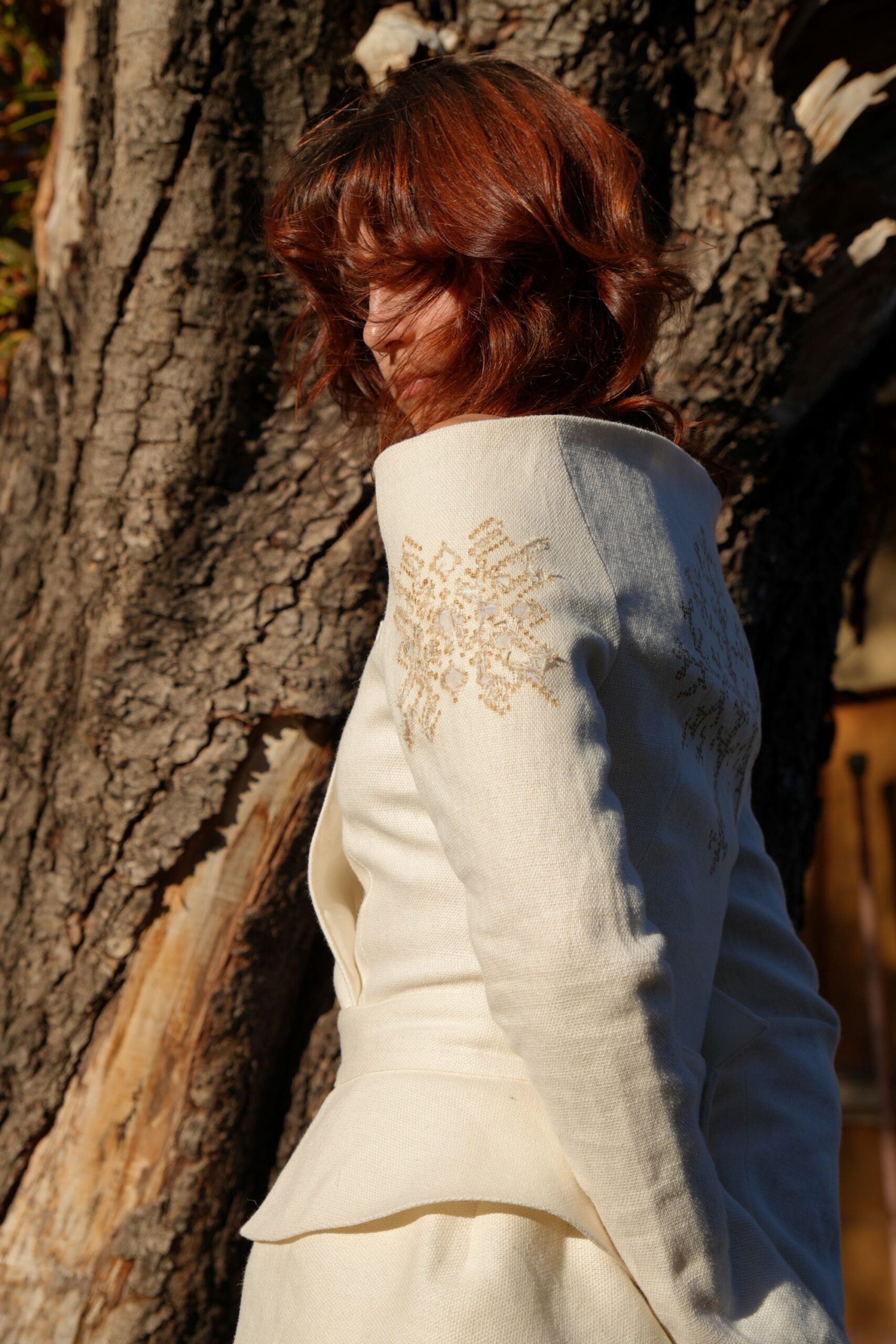
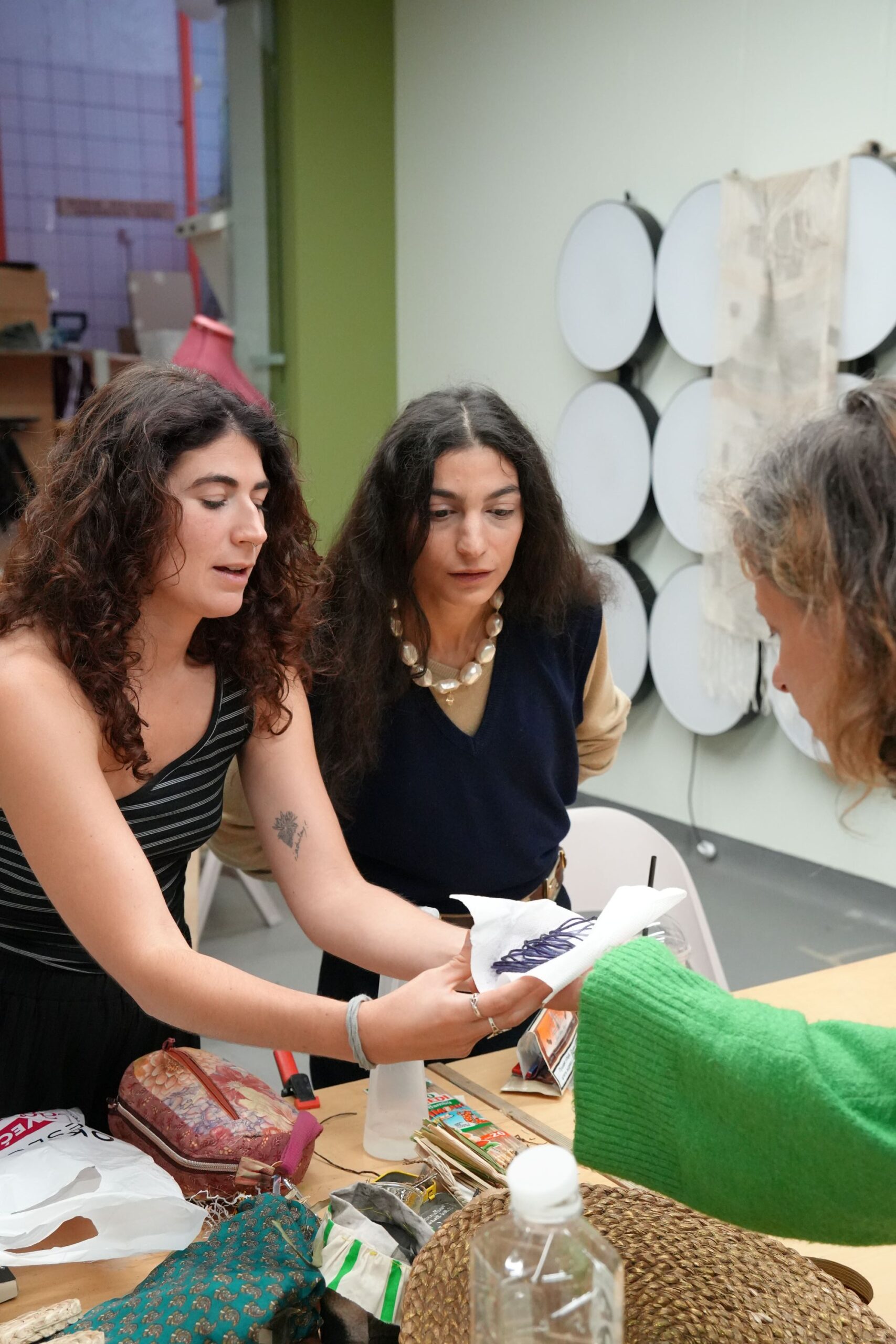
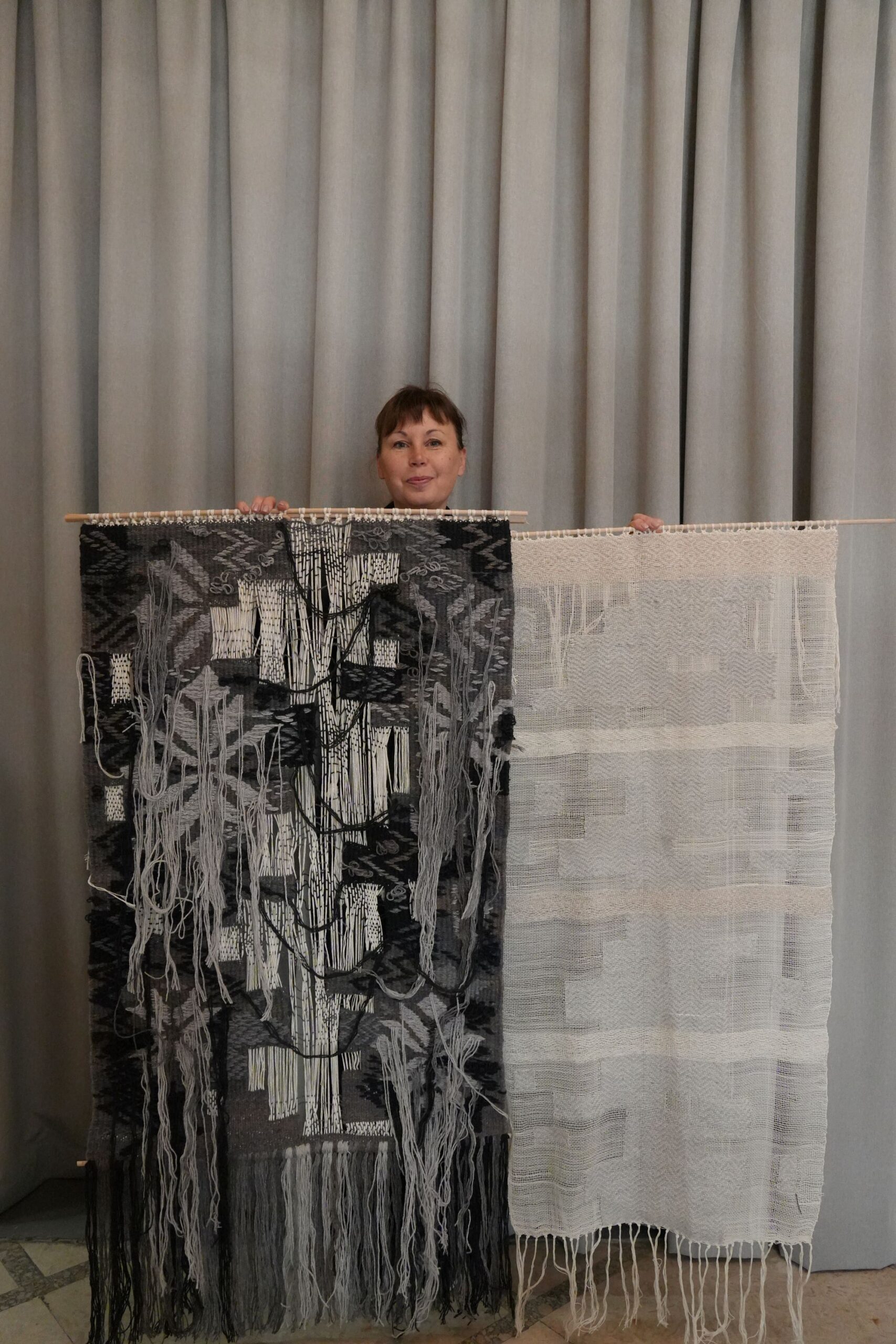
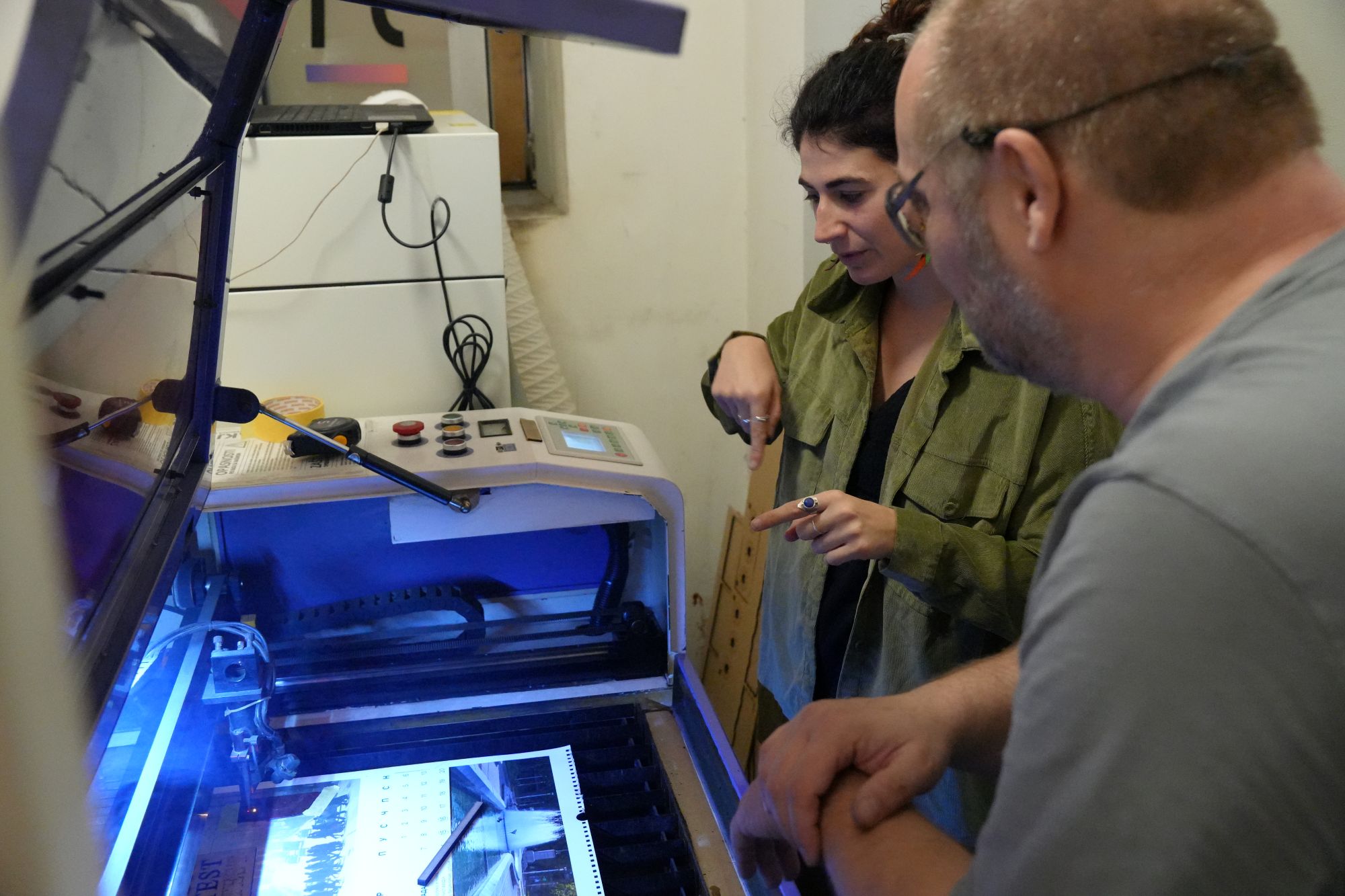
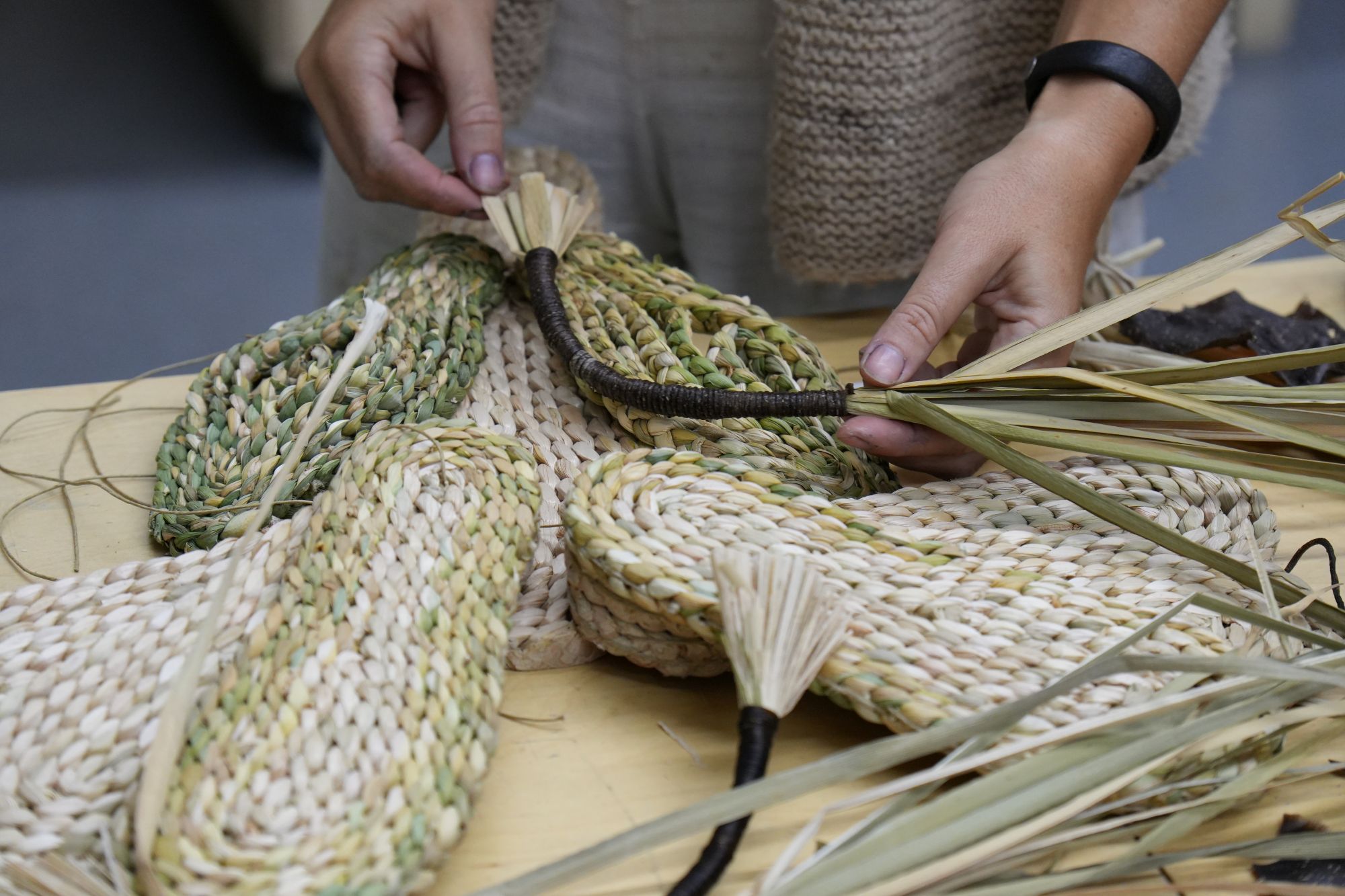
Copyright: Jovana Jankov copyright: Center for Promotion of Science
Two Makers, One Piece
Each project was made by two people, from different countries, crafts and working rhythms. Months of online collaboration had built a shared idea; the residency tested whether that idea could hold up when two pairs of hands worked on the same material, at the same table, against the same deadline. Compromise was not a side effect of the process but part of it, and the friction between the initial narrative and the actual practice became one of the residency’s most productive forces.
Five Projects, Five Questions
Reimagined and Rewoven Heritage — Tetiana Bilous (Ukraine) & Alina Yatsenko (France)
What if memory were not stored in an archive, but kept moving? Tetiana and Alina put heritage textile practice into dialogue with contemporary ideas of perception, creating a textile that responds to light, movement and context, so that it reveals different narratives depending on how it is encountered. Heritage here is not something to preserve unchanged, but something to keep reinterpreting.
×Amortypha danubii — Milena Sophia Kalte (Portugal) & Alba Martinez Roberto (Spain)
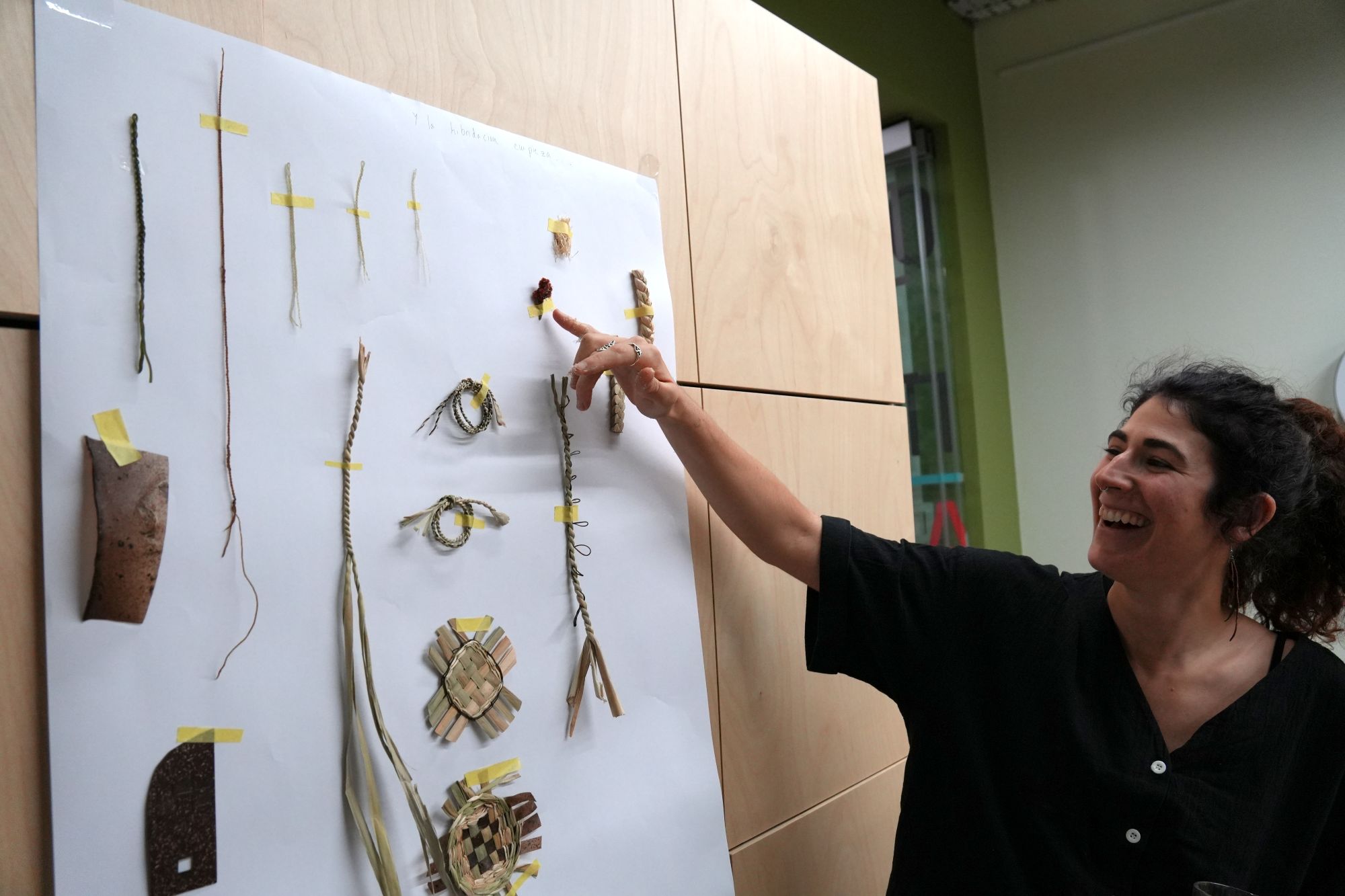
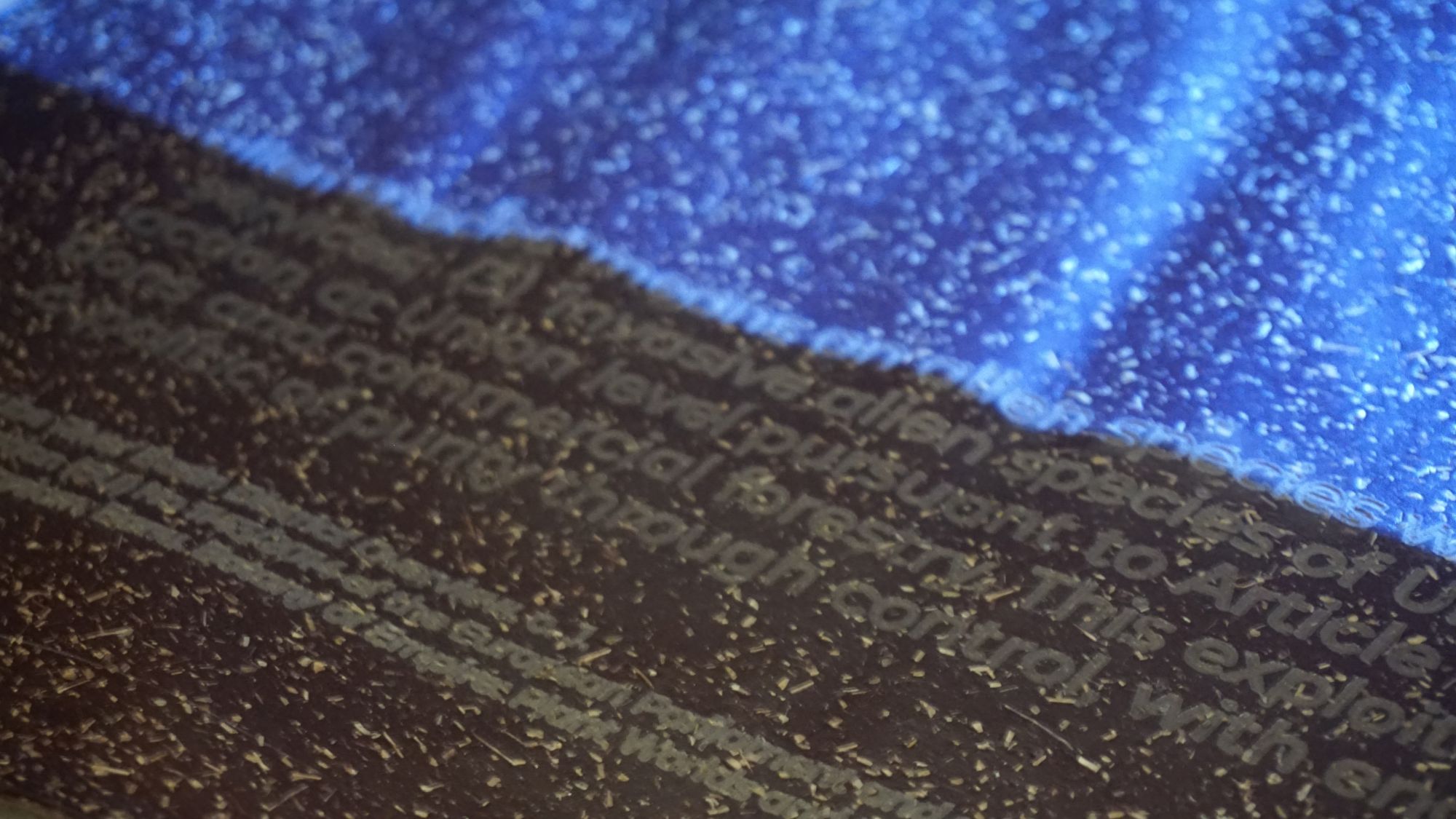
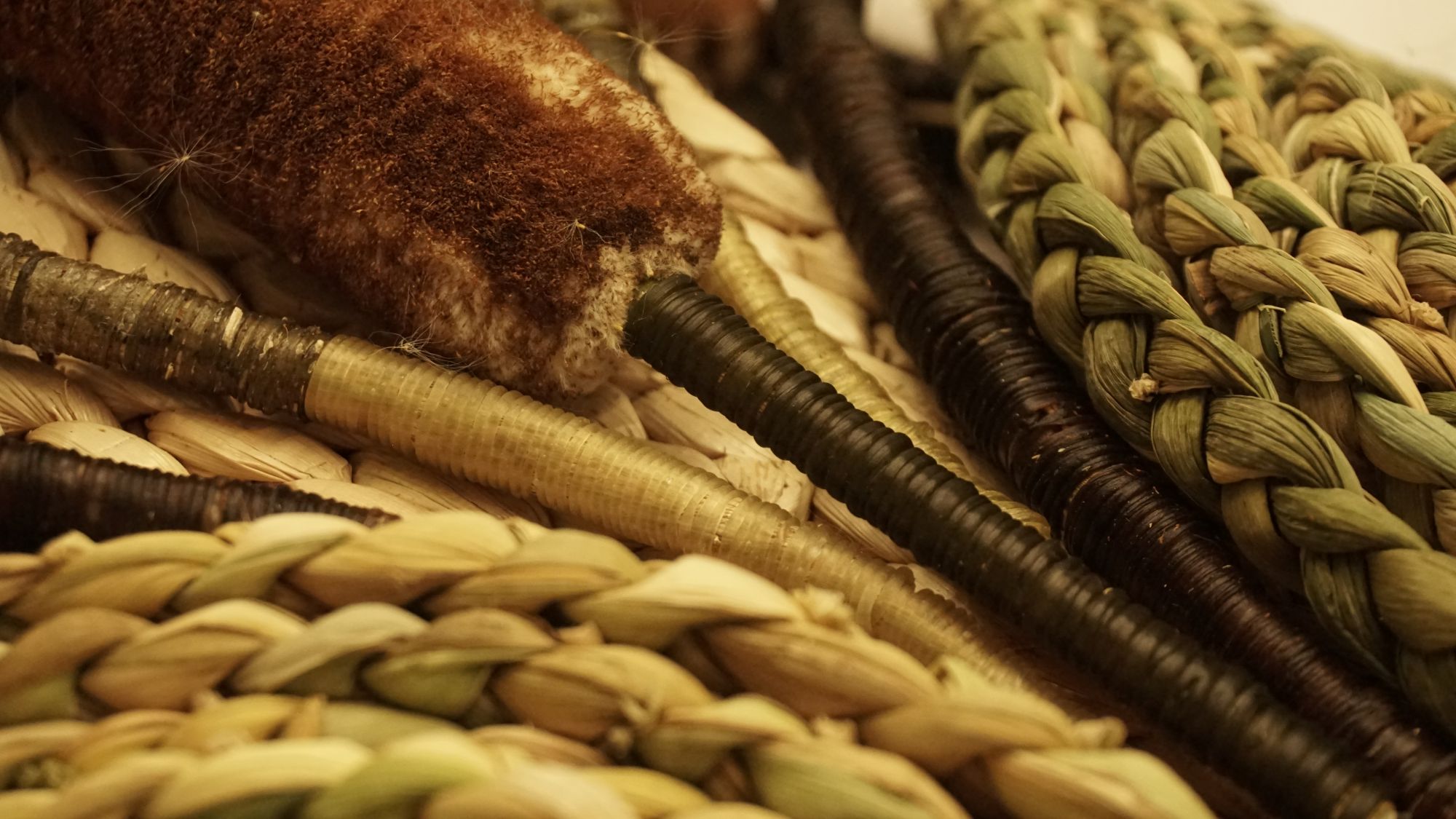
Starting from the riparian ecosystem of the Danube, the project brings together a native rush, an invasive shrub, human craft and biomaterials. By making with “native” and “invasive” side by side, Milena and Alba question where we draw the lines between belonging and displacement, maker and material, nature and culture, connecting ecological change to today’s debates on migration and borders.
Future of Lace — Ariadne Ferreira Neves (Portugal) & Evangelina Bereti (Greece)
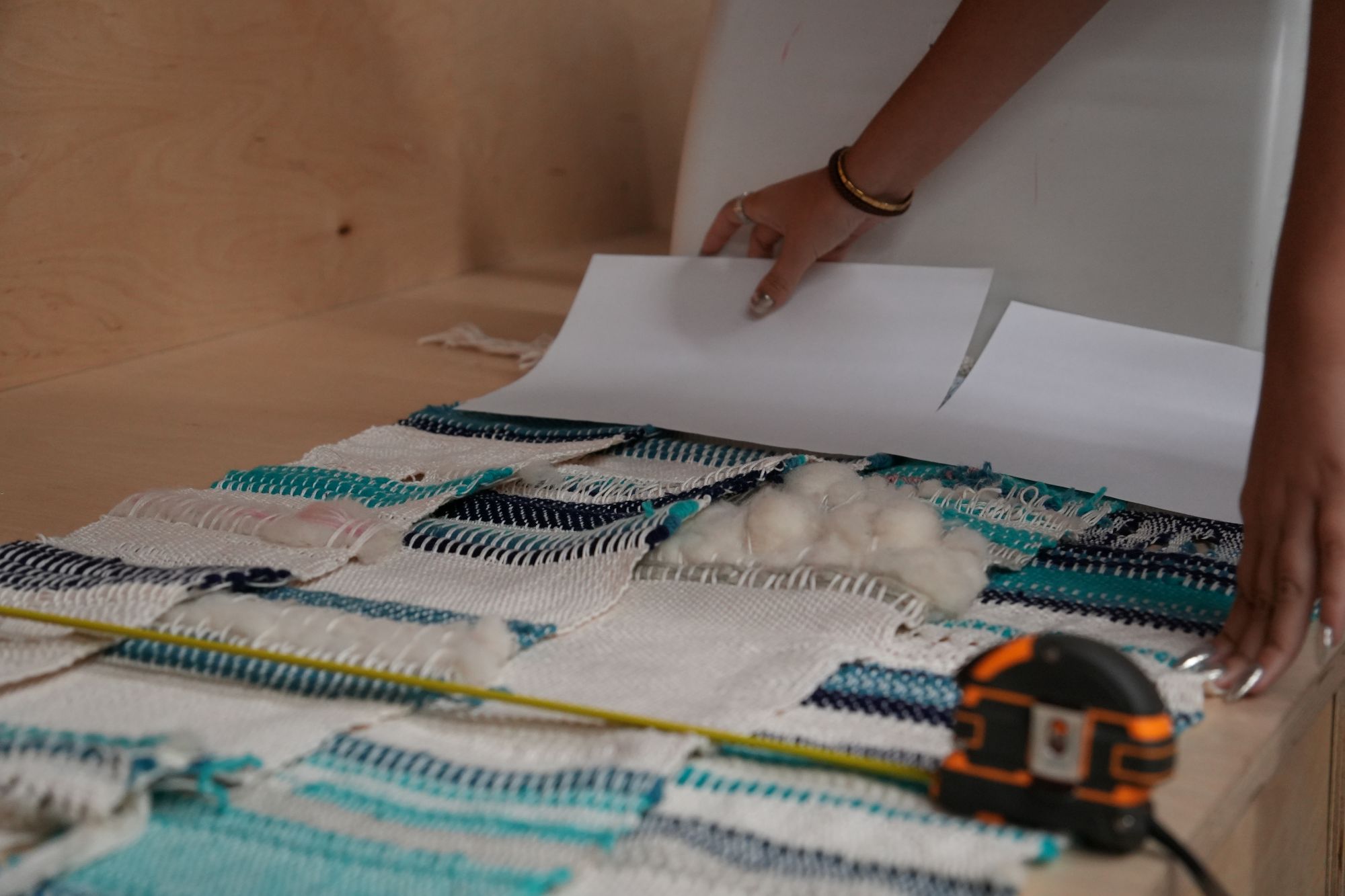
A suspended lace veil, two to three metres long, tells a story about women’s lives from top to bottom. A tight, rigid grid stands for historical confinement; a circular woven pattern in the middle represents the present; at the bottom, the structure dissolves into loose, free fibres, pointing toward futures still to be shaped.
Enosis — Eva Premillieu (France) & Eirini Xanthioti (Greece)
Enosis, Greek for union, uses weaving as both method and metaphor: warp and weft keep their own identity while forming a larger whole. In a polarised society, Eva and Eirini ask how connection can be built across difference, and how craft can give form to solidarity and interdependence.
Stinking Sweeties — Vanda Bednarikova (Germany/Slovakia) & Loukia Chatzapoulou (Greece)
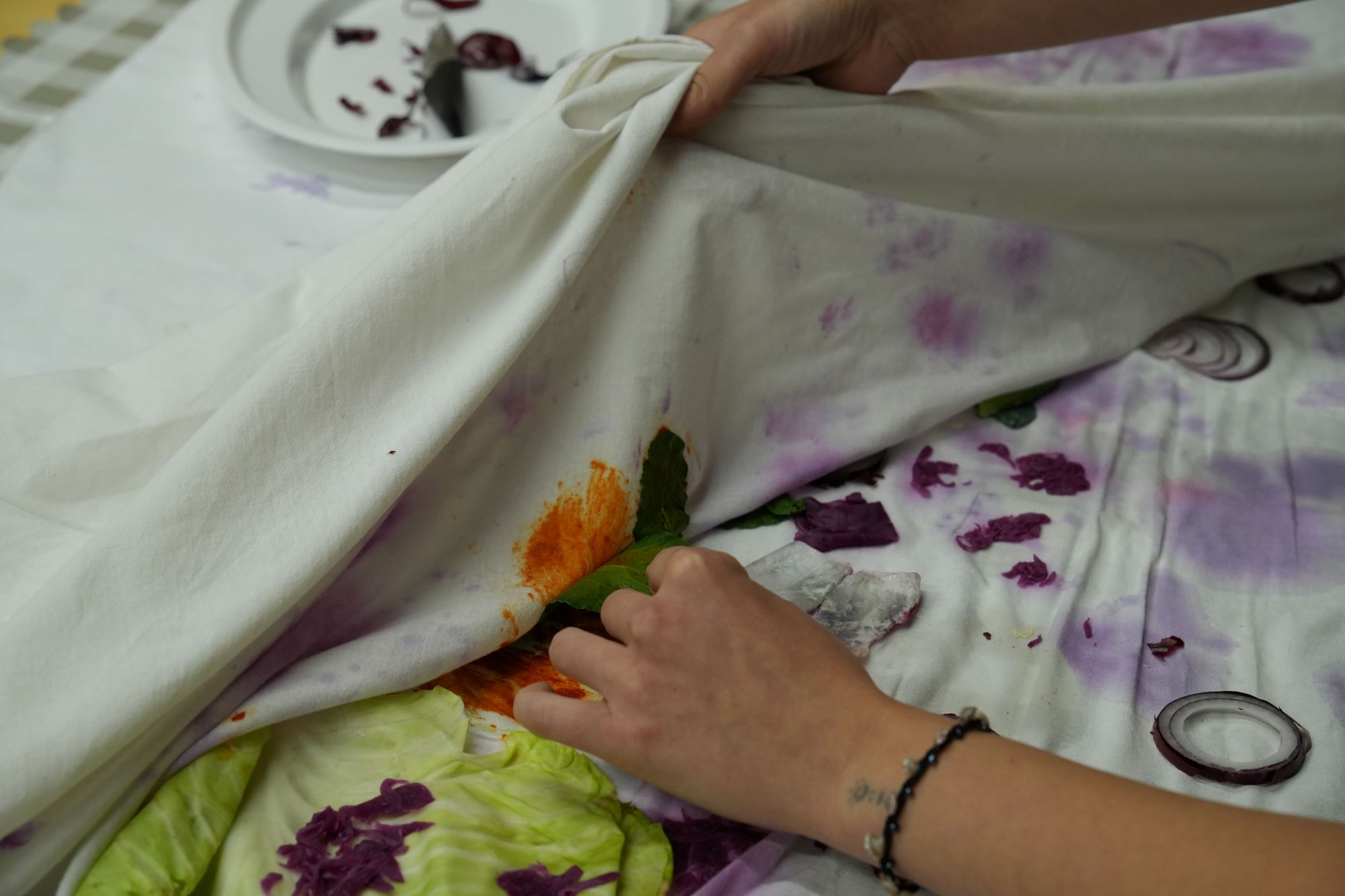
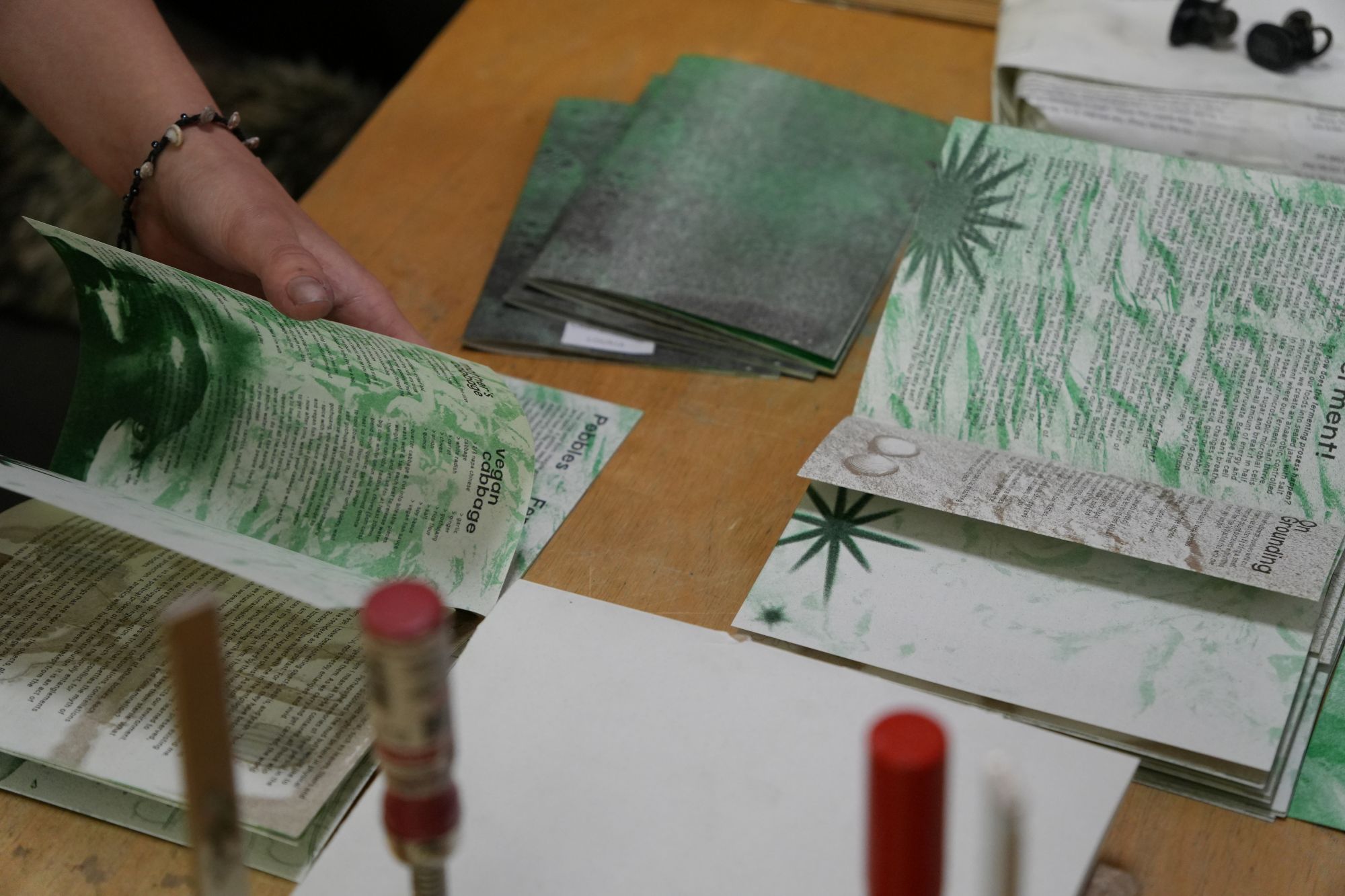
The only project not centred on a single object, Stinking Sweeties is a two-part workshop toolkit and booklet combining food fermentation and sewing. Both practices depend on time, patience and care, making them a starting point for collective responsibility across generations, genders and even species.
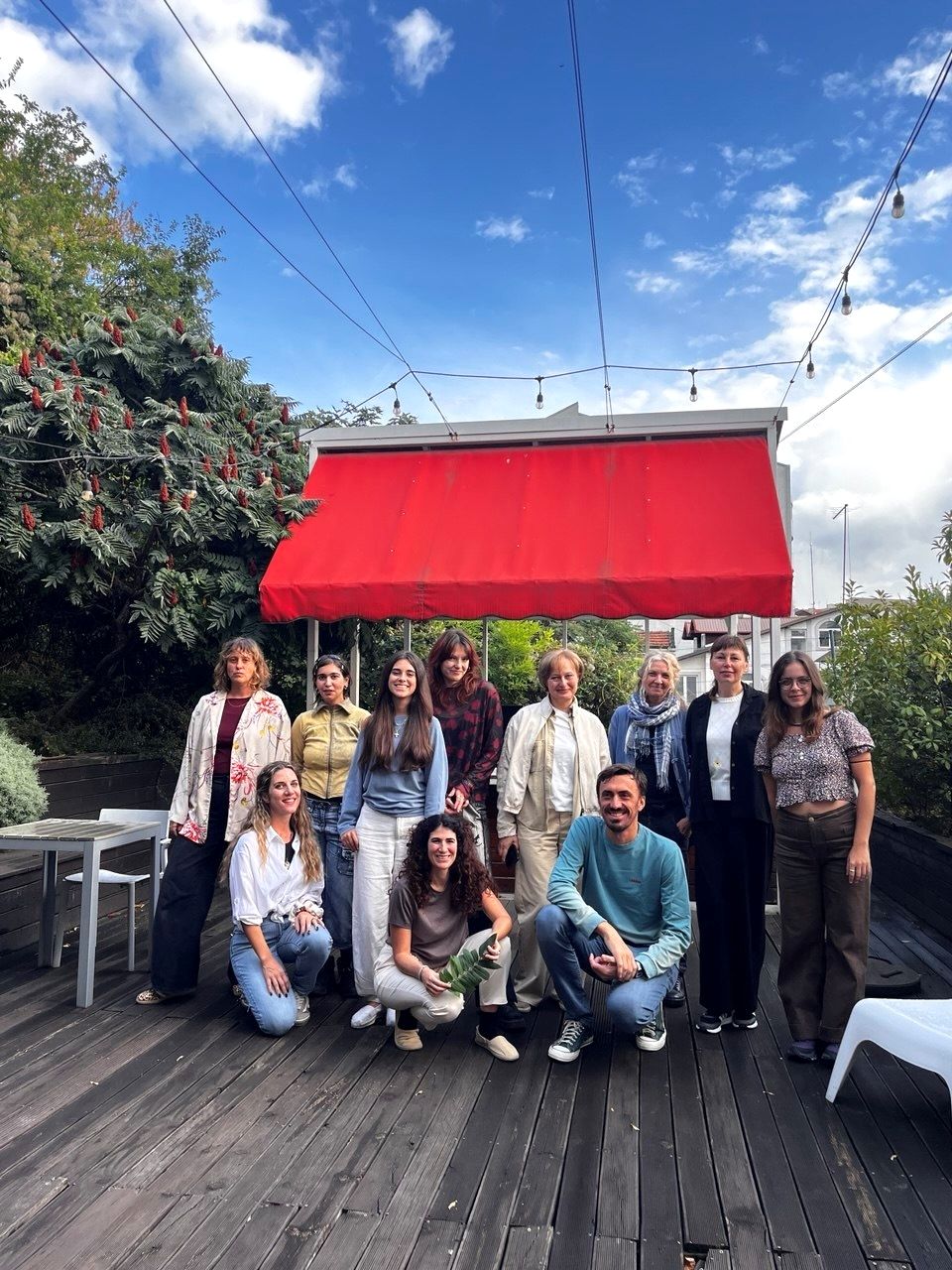
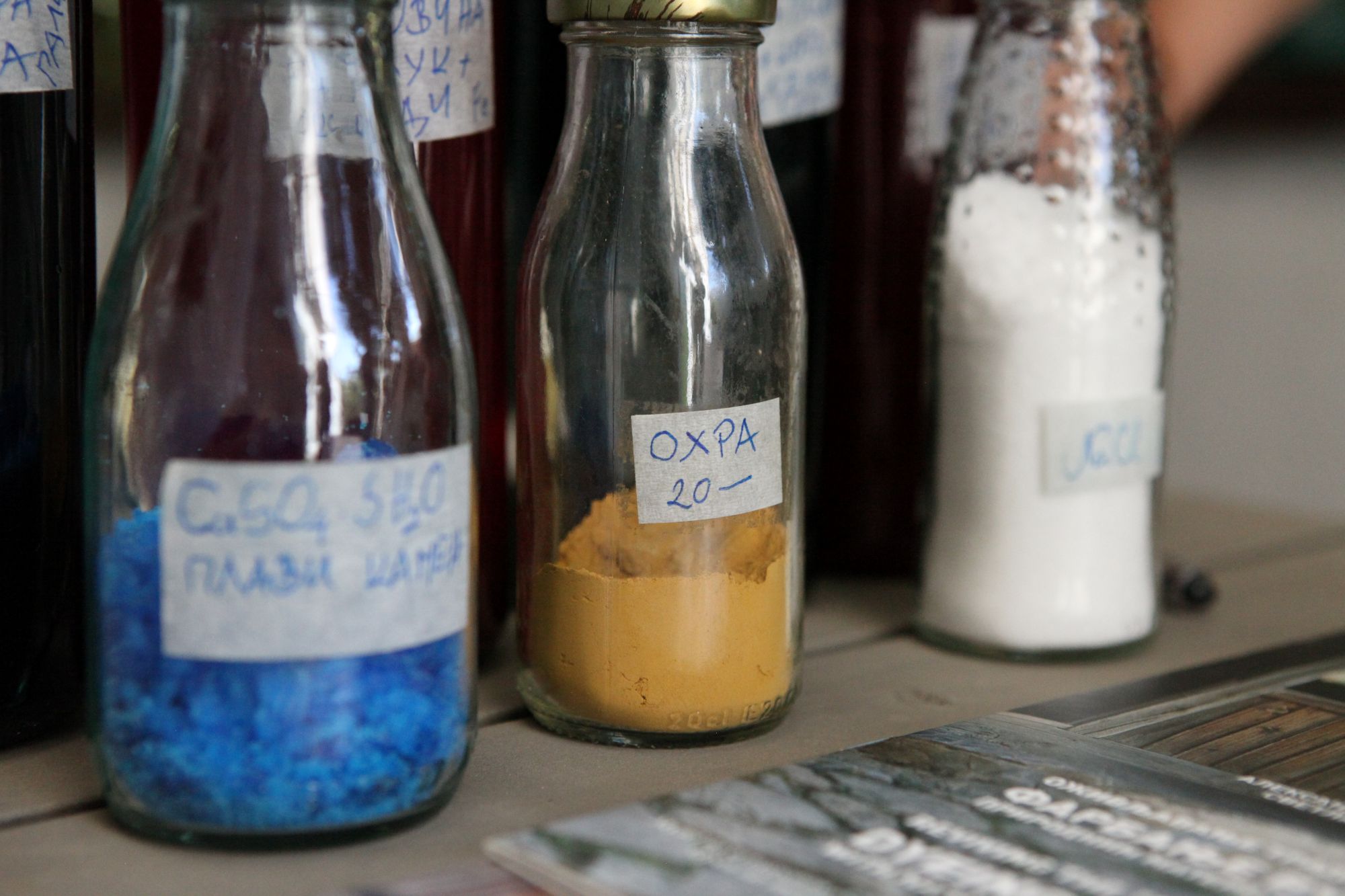
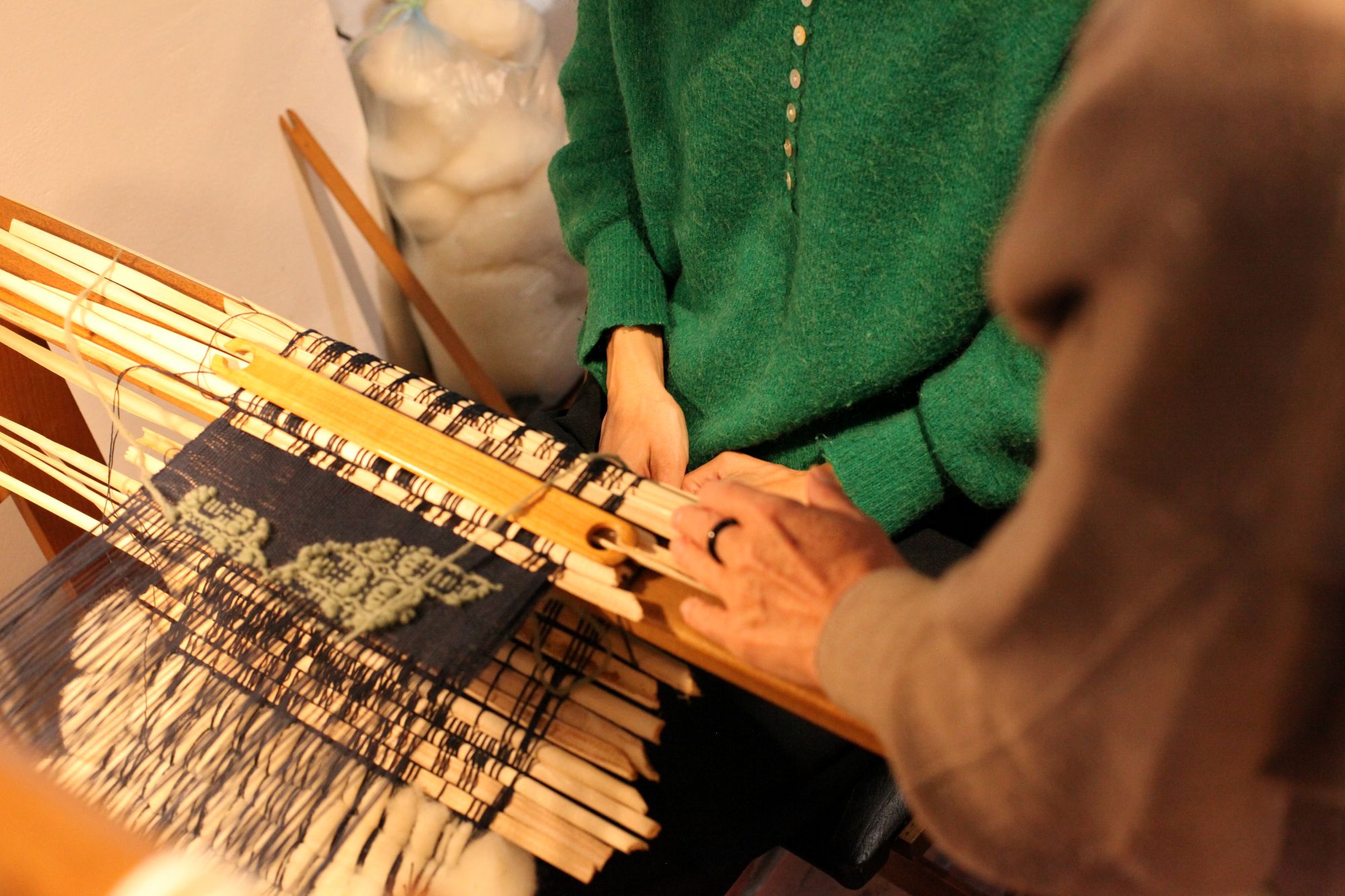
Copyright: Nova Iskra
The Radically Unfinished
Each duo left Belgrade leaving us a physical piece, but not every piece left finished. Some works stopped where time and material could take them no further; others stayed open by choice, their loose ends deliberately exposed.
Rather than treating this as a shortfall, we see it as the residency’s clearest finding. When the finished object is no longer the only measure of success, what becomes visible is everything that usually stays hidden: the negotiations between two makers, the adjustments to unfamiliar tools, the moment a local material refused to behave as planned. Skill shows up not as polish, but as judgement under pressure. The value of human skill is decoupled from the existence of a final product, and the creative process itself takes centre stage.
This is why the works will be exhibited as they are, alongside a record of how they came to be.
From Workshop to Exhibition
The five pieces will be shown in Belgrade, one year from now, each presented together with a description of its process, and short statements from the duos. Instead of asking visitors to judge a finished object, the exhibition invites them into the work while it is still in motion, and asks what craft might become when we value the making as much as the made.